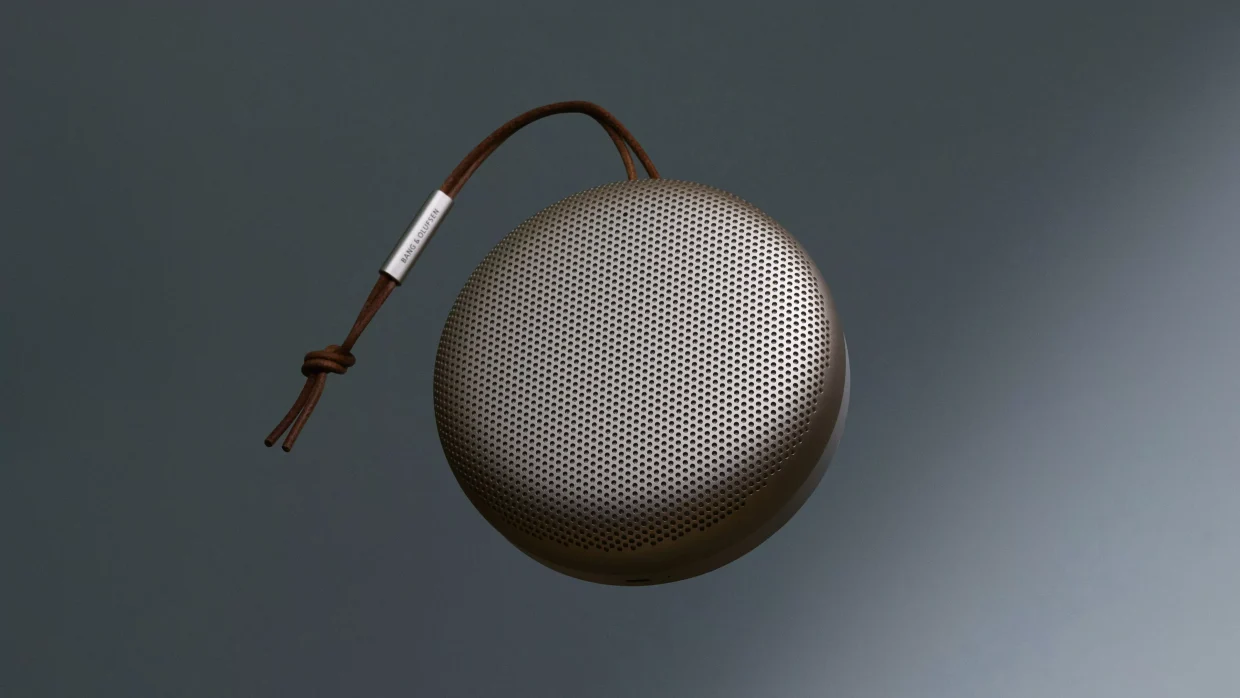
Fabric finishes on audio gear transform cold technology into warm, stylish elements that blend seamlessly with home interiors, allowing powerful devices to feel quieter and more inviting in shared living spaces.
Fabric finishes are transforming home audio gear by blending technology seamlessly into living spaces, making devices feel warmer and less industrial. This shift aligns with modern interior design trends, prioritizing subtle textures and visual harmony so audio equipment becomes an integral, stylish part of daily environments.
AI-generated
Key Moments
1
Fabric Finishes Enhance Visual Integration
Fabric on audio gear softens the look of technology, making devices blend harmoniously with home interiors rather than stand out as purely technical objects.
2
Influence of Interior Design Trends
Modern home decor trends towards soft textures and neutral palettes drive audio product designs to incorporate fabric and subdued aesthetics.
3
Emotional and Lifestyle Appeal of Fabric
Fabric materials create a warmer, more inviting emotional response, aligning audio equipment with lifestyle values and daily home living.
4
Shift in Consumer Expectations
As fabric finishes become common, expectations grow for audio devices to be visible, aesthetically pleasing, and integrated parts of shared living spaces.
AI-generated
Fabric finishes are appearing more often on home audio gear, softening how technology looks as it settles into everyday living spaces and shared rooms.
Audio devices no longer sit apart from the rooms they occupy, and that change has slowly altered how people think about where speakers or hubs belong. Instead of being tucked away, they now live on shelves, side tables, and open surfaces people see every day. This visibility reshapes expectations for how technical objects should fit visually into a home.
Fabric finishes are no longer niche design choices. They are becoming standard across modern audio gear, reflecting how sound products now balance performance with interior aesthetics and lifestyle integration.
AI-generated
Textiles bring a sense of warmth to objects that once felt cold or industrial by default. The surface feels calmer to the eye and more approachable to the touch. Over time, that softness makes audio equipment feel easier to live with in spaces meant for rest and daily routines.
Design choices now lean toward quieter tones and subtle textures that support balance in a room rather than pulling attention toward a single object. Instead of glossy finishes that reflect light and dominate surfaces, fabric blends into surrounding materials like wood, plants, and soft furnishings. This visual harmony allows technology to exist in the background while still feeling intentionally placed.
For many households, fabric-covered audio now reads as part of the room’s atmosphere rather than a device meant to be hidden when not in use.
How Home Design Influences Audio Product Aesthetics
Interior design trends are strongly influencing how audio gear looks and feels. Publications often highlight how modern home decor favors soft textures, neutral palettes, and layered materials, encouraging tech brands to design products that visually align with home interiors.
Design-focused coverage on product design trends shows how materials like fabric are increasingly used to soften the visual impact of technology. This helps devices feel more integrated into living spaces rather than standing out as purely technical objects.
Audio Gear as Interior Decor
Audio products are now expected to look good even when not in use. Fabric finishes help speakers and sound systems blend naturally into shelves, sideboards, and open-plan rooms where devices are always visible.
Design and lifestyle outlets often discuss how smart home design influences hardware aesthetics, reinforcing how devices must fit visually into everyday environments and match broader decor choices.
Why Fabric Finishes Are Gaining Popularity
Softer visual presence: Fabric reduces the harsh, technical look of traditional materials, helping audio gear feel warmer, calmer, and more visually compatible with modern home interiors.
Better integration with interiors: Textile finishes allow speakers to match furniture, rugs, curtains, and other soft furnishings, creating a more cohesive and intentional room design.
Image by Jamie Blaire
Lifestyle Tech and Material Choices
Material choices increasingly reflect lifestyle positioning. Fabric signals comfort, warmth, and domestic use, shifting audio gear away from purely technical identity and toward lifestyle-oriented products.
Coverage on consumer tech design shows how materials influence how people emotionally connect with everyday devices, affecting whether products feel inviting or purely functional.
Why Fabric Fits Modern Living Spaces
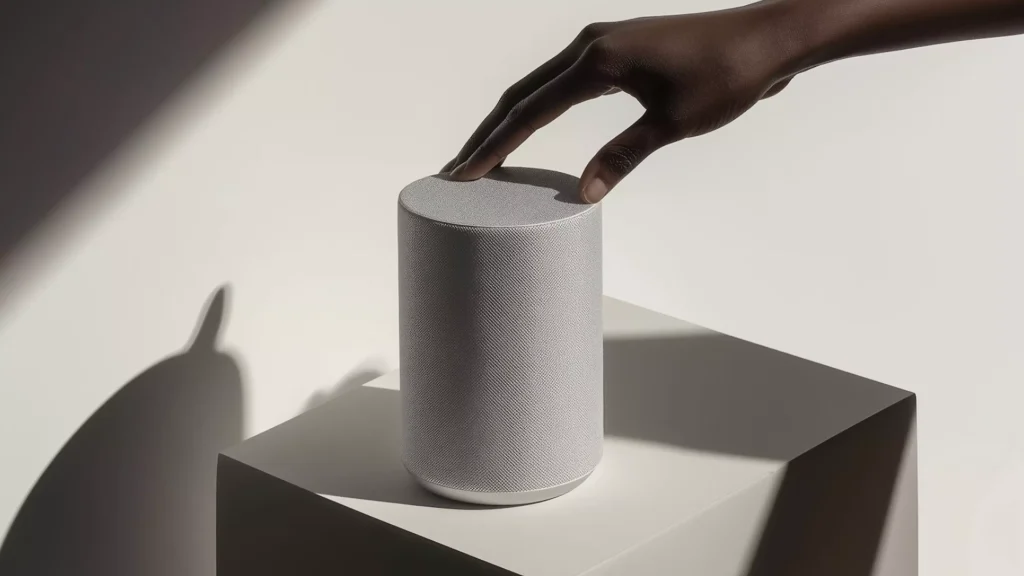
Fabric-covered gear feels more appropriate for open, shared living areas. It reduces visual noise and makes technology feel quieter, even when it delivers powerful sound.
These finishes also support minimalism. A neutral, fabric-covered speaker can sit in a room without demanding attention or competing with other design elements.
Texture changes how technology feels in a space.
Marco Vitale,
Materials Specialist
For many buyers, fabric signals modern taste and thoughtful design choices that prioritize how products look and feel in daily life.
Over time, this changes expectations for how audio products should look and how much they should visually blend into home environments.
How Materials Shape Emotional Response
The surface of a device sets the mood faster than any feature list ever could.
Over time, repeated interaction with softer materials changes how people emotionally register technology in shared spaces, making devices feel less mechanical and more like part of the environment they live in, which subtly affects whether people enjoy having them visible throughout the day.
When Texture Becomes Part of the Experience
Some people notice the difference immediately when a device looks softer and less industrial.
Others only become aware of the effect over time, as living with fabric finishes makes it feel more natural to leave devices out in the open rather than pushing them aside or hiding them when the room is being used for rest or social moments.
As these habits settle in, material choices quietly begin to influence what feels acceptable to display in everyday living spaces, reshaping expectations about how visible technology should be inside the home.
Key Reasons Fabric Audio Gear Is Expanding
Design-forward positioning: Fabric helps position audio gear as part of interior style and lifestyle identity, not just standalone electronics.
Lifestyle appeal: Softer materials align with how people want tech to feel in their homes — calm, warm, and visually integrated.
Fabric finishes are no longer niche design choices. They are becoming standard across modern audio gear, reflecting how sound products now balance performance with interior aesthetics and lifestyle integration.