Why Touchscreen Dashboards Are Replacing Physical Car Controls
Touchscreen dashboards are transforming car interiors by replacing physical buttons with dynamic digital controls, offering centralized functions, design flexibility, and ongoing software updates that reshape the driving experience over time.
Touchscreen dashboards are transforming car interiors by replacing physical controls with centralized, software-driven interfaces that can be updated remotely. While these digital systems offer a modern, streamlined design and convenience, they also introduce a learning curve as drivers adjust to new interaction methods that lack tactile feedback.
AI-generated
Key Moments
1
Shift from Physical to Touchscreen Controls
Touchscreen dashboards are replacing physical buttons, enabling more streamlined interior designs and flexible layout updates.
2
Advantages for Automakers
Touchscreens simplify manufacturing by reducing physical parts and enable software updates for adding features without hardware changes.
3
User Experience Challenges
While touchscreens offer convenience, they lack tactile feedback, which can increase driver distraction and require an adjustment period.
4
Software-Driven Vehicle Evolution
Vehicles are increasingly designed around digital platforms, centralizing controls and standardizing interfaces across models.
AI-generated
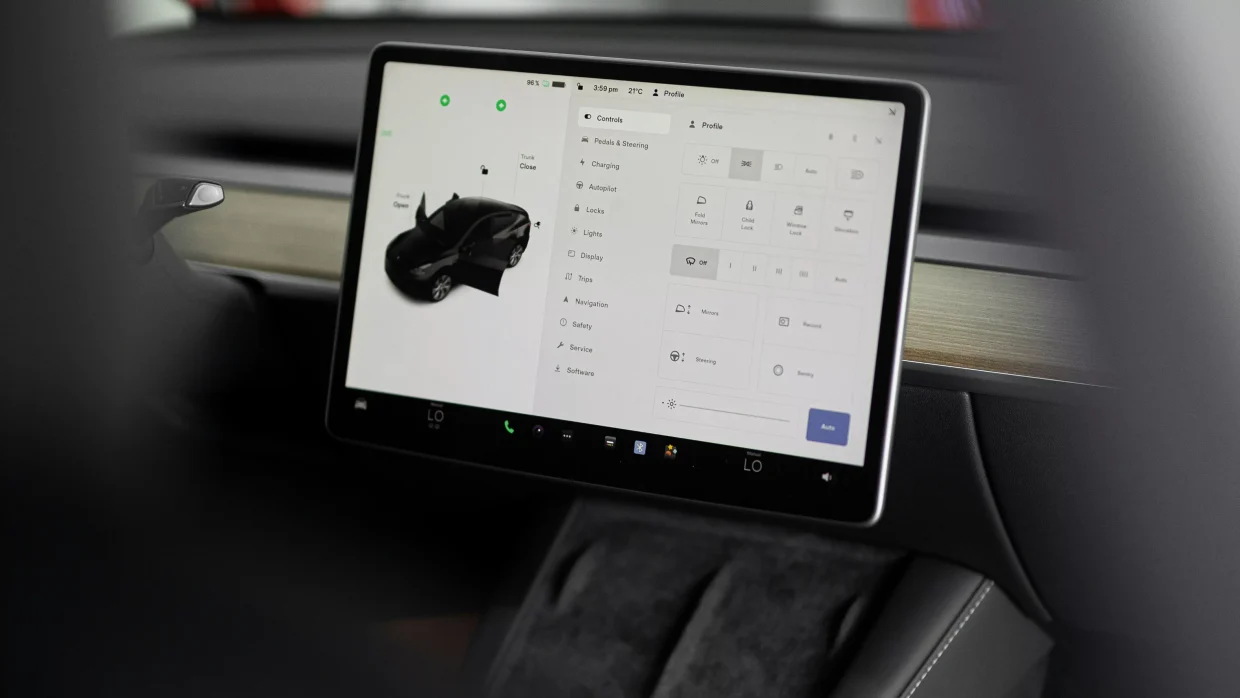
Touchscreen dashboards are quickly becoming the default control surface inside modern vehicles, reshaping how drivers access functions, settings, and information while on the road.
Design priorities have shifted as digital panels replace rows of physical switches and knobs across dashboards. This change allows interiors to feel more open and streamlined, even in smaller cabins. It also gives designers more freedom to rearrange layouts as software evolves over time.
Touchscreen dashboards are no longer just a premium feature. They are becoming the default interface for modern vehicles, reshaping how drivers interact with navigation, climate, and media in everyday driving.
AI-generated
Unlike fixed hardware, screen-based systems can change after purchase through updates delivered remotely. New menus, settings, and interface tweaks gradually alter how drivers interact with their cars. The cabin experience becomes something that shifts over time instead of staying frozen at delivery.
For many buyers, large displays communicate progress before any feature is even tested. Bright interfaces signal that a vehicle belongs to a newer generation of design. That perception alone can shape how advanced a car feels the moment someone steps inside.
As screens spread across models and price ranges, traditional controls are quietly being pushed out of everyday driving spaces.
How Digital Interfaces Are Changing Car Interiors
Digital dashboards allow automakers to centralize controls in one place. Reviews on car touchscreen systems show how screens now handle navigation, media, and climate in a single interface.
Automotive tech coverage on in-car technology highlights how software-driven systems allow faster feature updates, making vehicles feel more like connected devices than static machines.
Touchscreens offer convenience but change how drivers interact with controls. Swiping and tapping replaces the physical feedback of buttons and knobs.
Consumer Reports has raised usability questions around touchscreen controls in cars, noting that digital interfaces can sometimes require more attention than traditional physical controls.
Why Automakers Prefer Touchscreens
Simplified manufacturing: Fewer physical buttons reduce parts complexity and production costs.
Easier feature updates: Software updates allow new functions without changing hardware.
Image by Jamie Blaire
Software-Driven Cars and User Experience
Touchscreens are part of a larger move toward software-driven vehicles. Automakers increasingly design cars around digital platforms rather than fixed hardware layouts.
Industry analysis from Wired on software-defined vehicles shows how dashboards are becoming central hubs for navigation, entertainment, and vehicle settings.
Why Screens Are Becoming the Default
Screens allow automakers to standardize interfaces across models. This reduces development time and makes it easier to roll out new features.
Many modern vehicles now rely on screen-based systems for nearly every function. Navigation, audio, driver settings, and climate controls are all accessed through a single display.
Digital flexibility often arrives before usability catches up.
David Klein,
Auto Analyst
For tech-focused buyers, this feels intuitive and familiar. The experience mirrors smartphones and tablets, making cars feel more connected to everyday digital habits.
For others, it represents a learning curve. The shift away from physical controls changes how drivers build muscle memory and interact with their vehicles.
How Digital Interfaces Reshape Daily Driving
As more controls move onto screens, everyday driving routines quietly change, even for people who don’t think of themselves as especially tech-focused or interested in new features.
Over time, these shifts influence how quickly drivers find what they need, how much attention is pulled away from the road, and how natural the cabin feels during long stretches of regular use.
Learning Curves Inside the Digital Cabin
Some drivers adjust quickly, treating the interface like any other digital tool they use throughout the day.
Others need more time to rebuild habits that once relied on physical buttons and consistent placement, especially when switching between different vehicles with similar-looking but differently organized screens.
As these patterns repeat, people begin to form opinions about whether digital dashboards feel supportive or mentally tiring during everyday driving.
Key Reasons Touchscreens Keep Expanding
Centralized control systems: One screen manages multiple vehicle functions.
Modern design appeal: Large displays signal advanced technology and innovation.
Touchscreen dashboards are no longer just a premium feature. They are becoming the default interface for modern vehicles, reshaping how drivers interact with navigation, climate, and media in everyday driving.