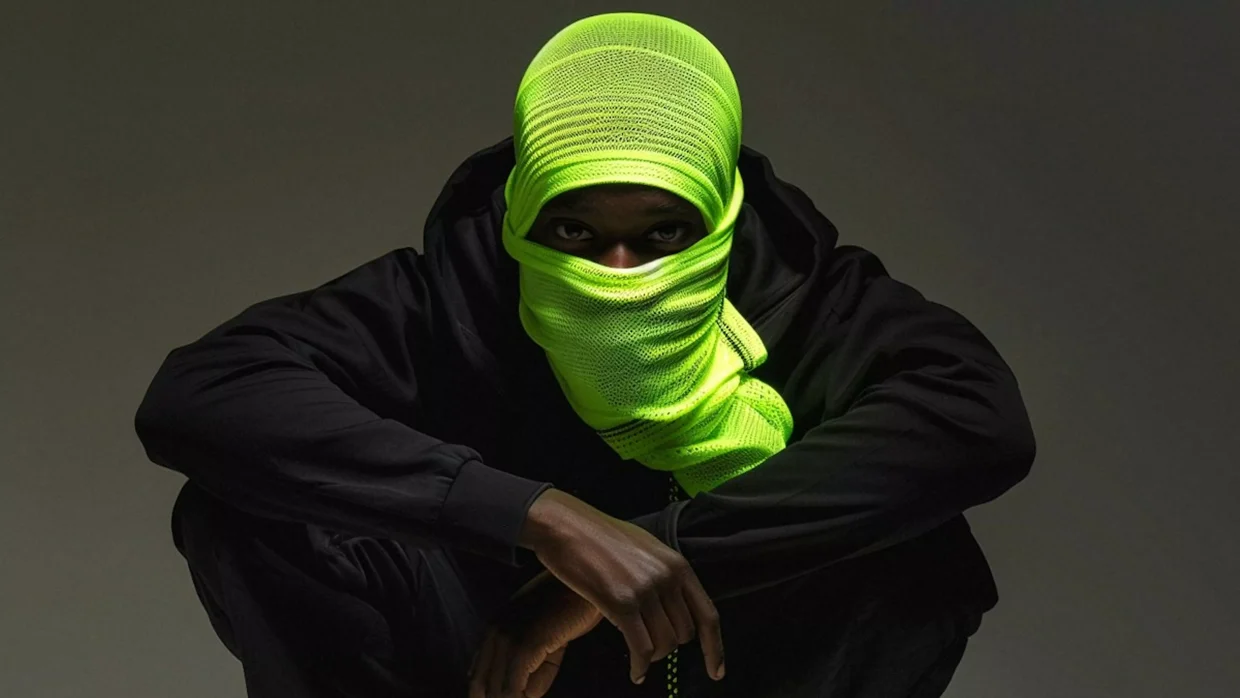
Face coverings have slipped seamlessly into streetwear, transforming from functional gear into expressive style elements that layer outfits, signal identity, and reshape urban fashion norms through constant cultural visibility.
Face coverings have seamlessly integrated into streetwear as stylish, layered accessories that express mood, identity, and culture beyond their original function. Their repeated visibility in media and customization options make them a flexible and normalized element in everyday urban fashion.
AI-generated
Key Moments
1
Face coverings integrate into full streetwear looks
Face coverings are no longer standalone items but are styled alongside hoodies, outer layers, and caps to create intentional layered silhouettes.
2
Cultural repetition normalizes face coverings
Repeated visibility in social media, music, and street photography makes face coverings familiar and accepted in everyday fashion.
3
Face coverings express personal and cultural identity
Various styles of face coverings help individuals convey mood, culture, or attitude within crowded fashion spaces.
4
Face coverings' adaptability supports fast fashion
Customizable materials, patterns, and branding allow face coverings to fit diverse aesthetics and update quickly with trends.
AI-generated
Face coverings are becoming part of everyday street style, slipping into layered outfits and changing how people read mood, identity, and attitude in busy urban spaces.
Practical items often take on new meaning once they move into fashion culture. Over time, utility becomes visual language on the street, shaping how people interpret everyday objects. That shift reframes how simple pieces are noticed and worn in public settings.
Function becomes fashion when it stays long enough.
AI-generated
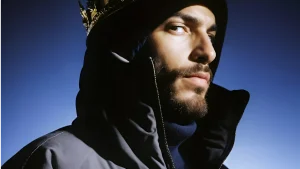
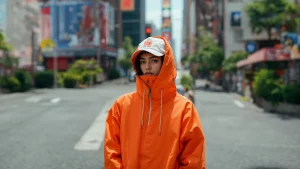
Design choices now place face coverings within full looks rather than treating them as separate add-ons. They sit alongside hoodies, outer layers, and caps as part of a single silhouette. This integration makes styling feel deliberate instead of improvised.
Social feeds have normalized the look through repeated street scenes, casual outfit posts, and everyday visuals shared by people moving through cities. Seeing the same detail across different contexts makes it feel ordinary rather than unusual. Gradually, that visibility reshapes what people expect to see in daily wear.
As these details settle into routine outfits, face coverings feel less like functional gear and more like small styling decisions people use to shape how they present themselves.
How Streetwear Turns Function into Fashion
Streetwear culture has a long history of transforming utility items into fashion pieces. Fashion platforms often cover how streetwear accessories evolve from practical gear into cultural symbols through styling, brand influence, and repeated visibility.
High-fashion media also track this crossover, frequently highlighting how street style fashion absorbs everyday items, turning them into part of broader visual trends that move from the street to mainstream fashion.
Layering and Visual Identity
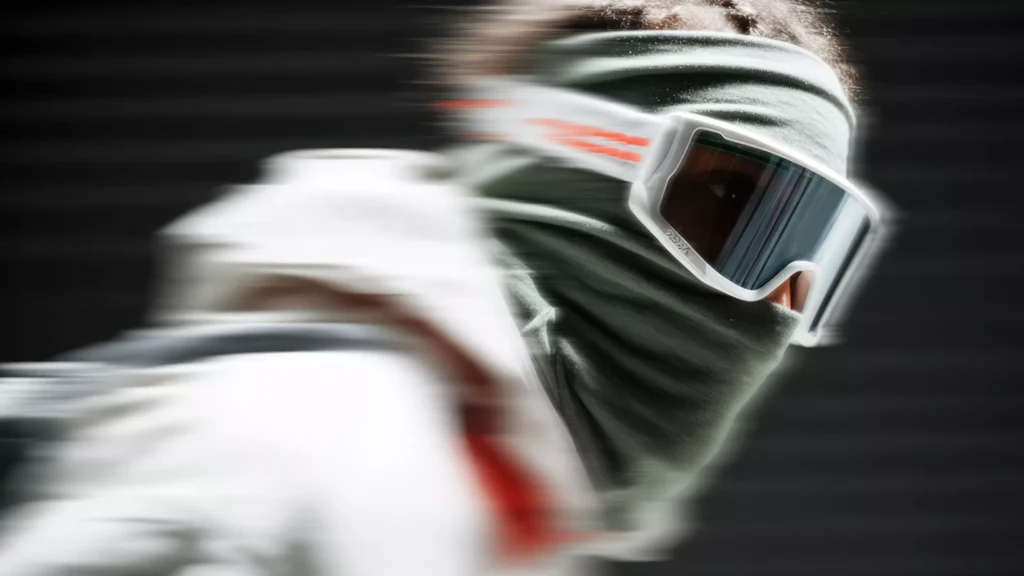
Face coverings add another layer to outfits. They create contrast, texture, and visual structure, helping define a look beyond clothing alone and contributing to more complex, layered silhouettes.
Culture and style outlets often explore how streetwear layering plays a role in modern silhouettes, showing how accessories shape overall outfit composition and visual storytelling.
Why Face Coverings Fit Streetwear
Adds visual edge: Face coverings introduce contrast and structure to layered looks.
Supports personal identity: Different styles help express mood, culture, or attitude.
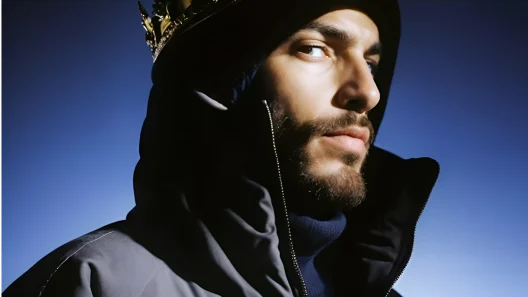
Image by Jamie Blaire
Cultural Influence and Trend Normalization
As more creators, musicians, and designers incorporate face coverings into their looks, the style becomes normalized. Repetition across music, social media, and street photography makes the accessory feel familiar and accepted within everyday fashion.
Trend and culture coverage on streetwear culture shows how visibility drives adoption, turning niche items into everyday fashion elements through cultural influence.
Why Face Coverings Are Becoming Standard
Face coverings are easy to customize. Materials, patterns, and branding allow the same basic item to look different across styles and seasons, making it adaptable to fast-moving fashion cycles.
They also work across different aesthetics. From minimal to bold, face coverings can blend into a wide range of streetwear looks and subcultures.
Function becomes fashion when it stays long enough.
Malik Johnson,
Trend Analyst
For younger audiences especially, face coverings can feel like part of a broader identity. They support individuality in crowded fashion spaces where standing out visually matters.
For brands, they represent low-cost, high-visibility accessories that can be refreshed quickly with new designs and limited drops.
How Visibility Turns Accessories Into Norms
When the same accessory appears again and again across different scenes, it starts to feel expected rather than experimental.
Over time, repeated visibility across music visuals, street photography, and casual posts lowers resistance, making once-unusual items blend into everyday outfits without calling attention to themselves.
Identity Signals in Repeated Styling
Some people begin to treat familiar accessories as subtle signals of belonging within certain scenes.
Others notice that repetition removes the feeling of risk, allowing more people to try the same look without worrying about standing out for the wrong reasons.
As these patterns repeat, visual presence slowly shifts into social acceptance, shaping what feels normal in daily street style.
Key Reasons Face Coverings Are Entering Streetwear
High visibility in street culture: Repeated exposure in media makes them part of everyday style.
Easy to style and update: Small design changes refresh the look each season.
Face coverings are no longer limited to function. In modern streetwear, they are becoming layered fashion elements, showing how urban style continues to transform practical items into visible expressions of identity, culture, and trend.












Loved this one specific line: it really made me pause and think deeper.
That’s the best compliment—thank you for following along with me!
You somehow always know what topic I need to read about next.