Mid-Range Phones Are Forcing Flagship Prices Under Pressure
Looking for a Shorter Overview?
AI Summary
Mid-range phones are closing the gap with flagships by offering high-quality displays, strong performance, and capable cameras at lower prices, making it harder for premium models to justify their cost. This shift is forcing flagship brands to find new ways to stand out, as consumers increasingly prioritize practical everyday features over incremental upgrades.
AI-generated
Key Moments
1
Mid-Range Phones Narrow Feature Gap
Mid-range phones now offer OLED displays, high refresh rates, and camera systems comparable to older flagship models, making performance differences less noticeable.
2
Flagship Brands Face Pricing Pressure
Flagship phones struggle to justify higher prices as premium features become more incremental and mid-range phones offer strong alternatives.
3
Shift in Consumer Value Criteria
Consumers prioritize practical aspects like battery life, reliability, and comfort over peak specs, influencing how value is perceived across phone tiers.
4
Rethinking Premium Differentiation
Premium phones must deliver truly unique benefits beyond incremental improvements to justify their price and stand out in a market where mid-range devices improve.
AI-generated
Mid-range phones now rival top-tier models in daily use, narrowing perceived gaps and reshaping what many people expect from affordable devices.
Across routine tasks, performance differences are harder to spot. Cameras, screens, and responsiveness feel close enough. This makes steep price jumps feel less obvious to justify.
Value redefines itself when the middle catches up.
AI-generated
Value judgments are shifting toward what works in daily life. Instead of chasing peak specs, people weigh battery life, reliability, and comfort. Practical gains matter more than headline features.
Manufacturers are packing more advanced elements into lower-priced lines, while premium tiers struggle to stand apart for everyday users. As improvements spread downward, standout benefits feel rarer, and the case for paying more grows harder to explain in ordinary use.
Together, these pressures are forcing a rethink of pricing logic and what “premium” must truly deliver to feel distinct.
Mid-Range Phones Are Closing the Feature Gap
Many mid-range phones now include OLED displays, high refresh rates, and capable camera systems that rival older flagships. Reviews regularly show how close mid-range performance has come to premium models.
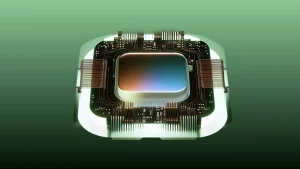
Chipmakers are also helping push this trend. Chips deliver strong everyday performance at lower cost, making it easier for brands to offer powerful phones for less. Coverage from Android Authority highlights how these chips compete with older flagship processors.
Camera and Display Improvements Are Changing Expectations
Cameras used to be a clear reason to buy a flagship. Today, mid-range phones often include multi-lens systems, night modes, and AI processing that produce impressive results for most users.
Display quality has followed the same path. High refresh rate AMOLED panels are now common in mid-range models, as documented in comparisons on The Verge, which regularly reviews how these displays compare to premium screens.
Where Mid-Range Phones Are Winning
High-End Displays at Lower Cost: Many mid-range phones now offer 120Hz AMOLED screens, giving users smooth scrolling and vivid colors without flagship pricing.
Strong Everyday Performance: Optimized mid-tier processors handle apps, multitasking, and gaming well enough for most users, reducing the need for top-tier chips.
Image by Jamie Blaire
Flagship Brands Are Feeling Pricing Pressure
As mid-range phones become more capable, flagship brands must work harder to justify higher prices. Market analysis shows how price sensitivity is increasing in key regions.
Premium Features Are Becoming Less Exclusive
Flagship phones still offer advantages like advanced camera sensors, faster charging, and longer software support. However, these benefits are becoming more incremental rather than revolutionary.
Industry data shows that consumers are holding onto phones longer, making it harder for brands to push expensive upgrades each year.
Value redefines itself when the middle catches up.
Kevin Marshall,
Mobile Analyst
This trend forces manufacturers to rely more on brand loyalty and ecosystem features to support higher prices.
Some brands are also experimenting with “premium mid-range” models that blur the line even further, offering near-flagship features at reduced prices.
As a result, the traditional gap between mid-range and flagship categories continues to shrink.
Why Pricing Pressure Is Rising at the Top
As capable mid-priced options spread, the logic behind steep price jumps becomes harder to defend for everyday use.
Over time, this shift quietly changes what feels reasonable to pay, especially when improvements appear incremental rather than transformative.
How The Middle Resets Expectations
When capable devices cover most daily needs, paying more starts to feel like a choice that needs clearer justification.
As features once seen as premium become common in everyday use, people begin to compare price jumps against small, practical differences they can actually feel over months of ownership rather than headline improvements that fade after the first week.
Over time, these comparisons reshape what feels reasonable to pay, pushing premium tiers to explain their value in ways that resonate beyond technical bragging rights.
What This Means for Buyers
Better Value Across More Price Points: Shoppers can now get high-quality features without paying flagship prices, making the mid-range segment more attractive than ever.
More Pressure on Flagship Differentiation: Premium phones must offer truly unique features to stand out, or risk being seen as overpriced.
In the coming years, the battle between mid-range and flagship phones is likely to intensify. As affordable devices continue to improve, brands will need to rethink how they price and position their most expensive models to stay competitive.