Home Audio Equipment Sales Are Rising After Years of Decline
Home audio is making a surprising comeback, driven by growing interest in vinyl and lifestyle-focused sound systems. Younger listeners are embracing turntables as fresh experiences, while many treat music listening as a deliberate, home-centered ritual.
Home audio equipment sales are climbing again, fueled largely by a renewed interest in vinyl records and lifestyle-driven upgrades. Younger generations are embracing analog sound, while the ritual of intentional listening is turning music into a focused, meaningful experience that encourages ongoing investment in quality gear.
AI-generated
Key Moments
1
Vinyl Sales Drive Hardware Demand
Increasing vinyl record sales are directly boosting purchases of turntables and related audio equipment, especially entry-level models.
2
Turntables as Lifestyle Products
Modern turntables are designed to fit home décor, with buyers prioritizing design and aesthetics alongside audio quality.
3
Streaming Fatigue & Physical Media
User fatigue from passive streaming experiences is pushing people towards vinyl and physical formats for a more intentional listening experience.
4
Home Audio Sales Growth Factors
Sales growth is driven by lifestyle-oriented upgrades and long-term engagement with vinyl and home listening setups, encouraging repeat purchases.
AI-generated
Home audio is quietly making a comeback after years of being overshadowed by wireless earbuds and streaming-only listening. What once felt like a niche hobby is now turning into a mainstream lifestyle choice for music fans who want more control over how they listen.
Vinyl records, in particular, are bringing people back to physical formats and dedicated listening spaces. Instead of background noise, music is becoming something people sit down for again, turning listening into a more intentional activity.
Listening becomes intentional when it’s no longer background noise.
AI-generated
Younger buyers who grew up on streaming are discovering analog sound for the first time. For them, turntables and speakers feel new, not nostalgic, which is helping fuel fresh demand across multiple age groups.
At the same time, home offices and hybrid work have changed how people use their living space. Better sound systems are now part of creating a comfortable, multi-purpose home environment.
All of this is pushing home audio out of its long slump and into a new growth phase driven by lifestyle, not just technology specs.
Vinyl Culture Is Driving New Hardware Demand
Vinyl sales have been climbing steadily for years, and that growth is now directly impacting turntable and audio equipment purchases. Industry data shows that vinyl revenues have surpassed CDs, signaling a real shift in how people buy and value physical music formats.
As more people buy records, they also need proper gear to play them. Retailers and audio brands report rising interest in entry-level and mid-range turntables, which regularly tracks turntable trends and product demand.
Turntables Are Becoming Lifestyle Products
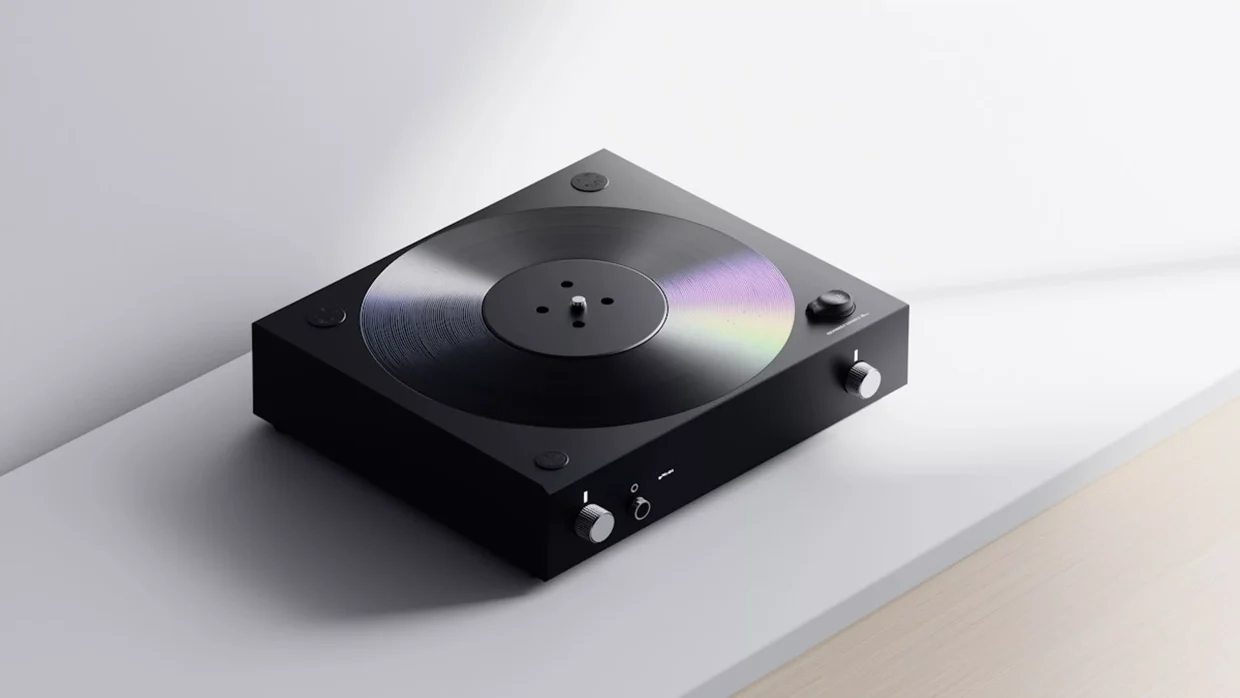
Today’s turntables are no longer just technical tools for audiophiles. Many are designed to look good in living rooms, blending into modern interiors and doubling as décor as much as sound equipment.
This shift is reflected in coverage from media, which often highlights how modern audio gear is being positioned as part of home design and lifestyle rather than just performance hardware.
What’s Changing in Buyer Behavior
Design-first purchasing: Many buyers now choose turntables based on how they fit visually into their space, not only on audio specs, showing how style has become part of the decision.
Entry-level growth: Affordable, beginner-friendly models are seeing strong demand, making vinyl more accessible and lowering the barrier to getting started.
Image by Jamie Blaire
Streaming Fatigue Is Pushing People Back to Physical Media
Subscription streaming made music more convenient than ever, but it also made listening more passive. For many users, endless playlists and algorithm-driven discovery have reduced emotional connection to albums and artists.
That fatigue is helping physical formats feel special again. Vinyl offers a slower, more focused experience, which is part of why it’s being featured more often in trend analysis from Statista, which tracks long-term shifts in music and media consumption.
Home Listening Is Becoming a Personal Ritual
For many people, playing a record has become a small ritual that separates active listening from background noise. It’s a way to slow down, disconnect from screens, and engage with music more deliberately.
This behavior has been discussed in long-form features by outlets like Pitchfork, which explore how vinyl culture is shaping modern listening habits.
Listening becomes intentional when it’s no longer background noise.
Lucas Bennett,
Audio Consultant
The ritual aspect also encourages people to invest in better speakers, amplifiers, and accessories. Once someone buys a turntable, upgrades often follow, creating ongoing demand for broader home audio gear.
Retailers report that customers who start with vinyl frequently expand into dedicated listening setups. That means growth isn’t limited to turntables alone but extends to speakers, preamps, and room-focused audio solutions.
Over time, this creates a cycle where better gear leads to more listening, and more listening justifies further upgrades.
Why Physical Formats Feel Meaningful Again
Some people are rediscovering the appeal of slowing down with music, choosing moments of attention over constant background sound.
As listening habits shift, small acts of intention begin to stand out, turning the process of selecting, playing, and sitting with music into something that feels more deliberate than tapping through endless options.
Playing music in a focused way creates a pause in routine that separates moments meant for attention from the constant background sound of everyday life.
As listening habits change, the simple act of choosing a record, setting it down, and staying with a full side begins to separate attention from background noise and constant digital interruption.
Over time, these small rituals shape how people arrange their spaces and time, giving listening a place in daily life rather than letting it dissolve into a stream of sound that is always present but rarely noticed.
Why Home Audio Sales Are Rising Now
Lifestyle-driven upgrades: Buyers are treating audio gear as part of home comfort and personal space design, not just entertainment hardware.
Long-term engagement: Vinyl and home setups encourage repeat purchases, from records to accessories, supporting steady growth across the category.
As vinyl and home listening continue to blend nostalgia with modern lifestyle trends, home audio is finding new relevance in a market that once seemed fully dominated by portable and wireless devices.