Customization is reshaping how people choose hardware, blending comfort, identity, and evolving needs into everyday devices. It’s no longer niche—users demand setups that adapt to their routines and express who they are.
More and more people want custom hardware because it adapts better to their unique work styles, comfort needs, and personal identity. Advances in accessible platforms and communities make customization easier, turning personalized setups from niche interests into everyday expectations that blend function, aesthetics, and self-expression.
AI-generated
Key Moments
1
Rise of Custom Hardware in Everyday Use
Custom hardware is becoming a common expectation for devices that fit personal routines and working styles beyond niche groups.
2
Accessibility of Customization Tools
Platforms and online communities have simplified custom PC building and hardware personalization for users without deep technical expertise.
3
Personal Fit and Comfort as Priorities
Users prioritize comfort, usability, and personalized fit in hardware to reduce fatigue and enhance productivity during extended use.
4
Customization Reflecting Personal Identity
Hardware setups increasingly express users' tastes, hobbies, and work styles, turning devices into visible signals of identity.
AI-generated
Custom hardware setups are steadily moving into everyday buying habits, changing how people expect devices to fit real routines and personal working styles.
Across workspaces and homes, more users now question fixed designs. They look for layouts, components, and details that suit how they actually work. This reflects a broader desire for tools that adjust to people instead of forcing habits to bend around hardware.
People want tools that adapt to them, not the other way around.
AI-generated
Personalization is spreading beyond specialist circles into ordinary purchases, shaping decisions around keyboards, computers, and everyday accessories. Shoppers compare not only performance, but also how easily devices can evolve with changing needs over time.
For many, comfort and visual harmony matter as much as raw capability. Long sessions feel easier when tools align with posture, touch, and mood, making everyday use smoother and more sustainable across weeks of routine work.
Together, these shifts point to personalization becoming a baseline expectation in modern technology choices, not a niche preference for a small group.
How Customization Became More Accessible
Platforms have made it easier for people to research, compare, and build custom PC setups without deep technical knowledge. These tools help users plan builds that match both budget and performance needs, reducing guesswork and compatibility issues.
Online communities and marketplaces also support customization by offering custom keycaps, desk accessories, and personalized hardware add-ons. This allows users to change the look and feel of their setups without replacing major components.
As people spend more time working, gaming, and creating on their devices, comfort and usability have become higher priorities. Hardware that feels tailored can reduce fatigue and improve long-term productivity.
Content and tutorials shared on platforms like YouTube have also lowered the barrier to entry, showing users how to modify, upgrade, and personalize hardware with step-by-step guidance. This education makes customization feel more approachable for beginners.
Popular Areas of Hardware Customization
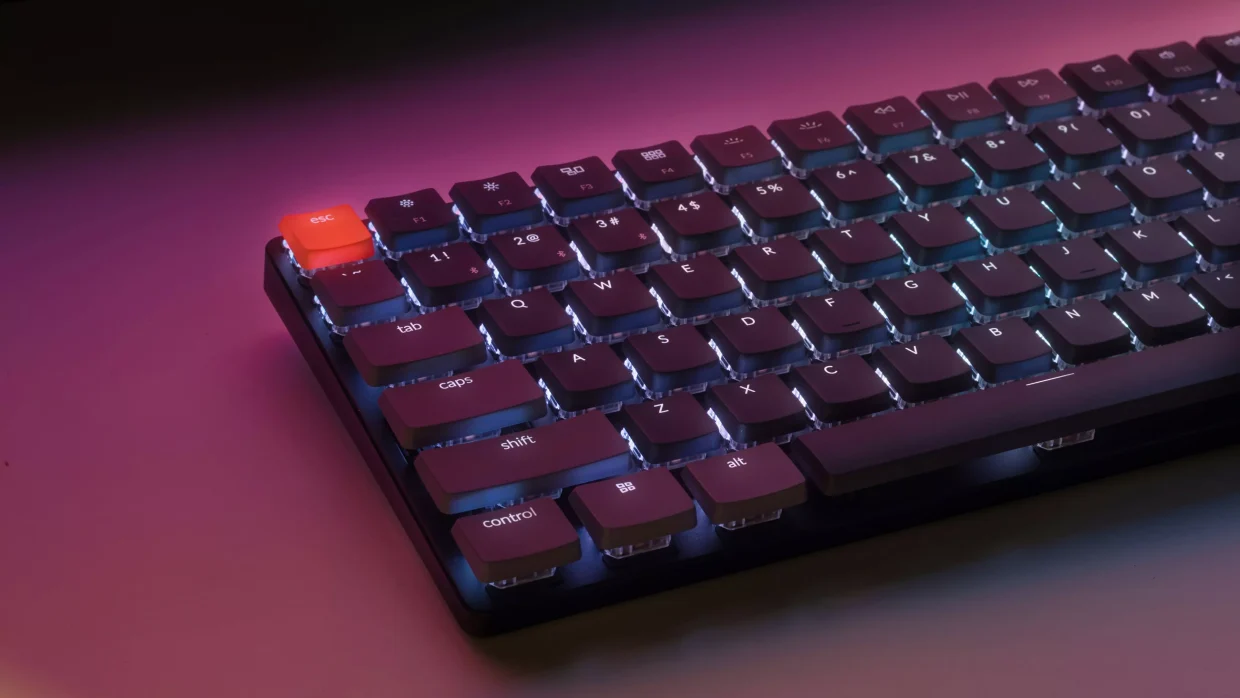
Mechanical Keyboards and Input Devices: Users customize switches, keycaps, layouts, and cases to improve typing feel, sound, and appearance, often treating keyboards as both tools and personal accessories.
PC Builds and Component Selection: Custom PCs allow users to choose graphics cards, cooling, and cases that match both performance goals and visual style, giving them more control over both power and aesthetics.
Image by Jamie Blaire
The Role of Personal Identity in Hardware Choices
Customization increasingly reflects personal identity, with users expressing tastes, hobbies, and work styles through their setups. This trend is supported by creator and showcase platforms like Reddit, where communities share builds, desk setups, and inspiration.
What This Means for Tech Brands and Retailers
As demand for customization grows, brands are offering more modular and configurable products to appeal to users who want control over their setups. This includes swappable parts, configurable options, and limited-edition designs.
Ecommerce platforms and direct-to-consumer stores, including marketplaces powered by Shopify, make it easier for small hardware brands to sell niche and personalized products. This lowers the barrier for new players to enter specialized segments.
People want tools that adapt to them, not the other way around.
Mila Novak,
Product Strategist
This shift allows smaller companies to compete by serving specific audiences with tailored designs and limited-run products. It also encourages experimentation with new form factors and features.
Over time, customization may become a standard expectation rather than a premium feature in many hardware categories. Buyers may come to expect some level of personalization by default.
Personal Expression Is Shaping Hardware Choices
Some people now treat their devices as part of how they present themselves day to day, choosing finishes, layouts, and components that reflect how they work, create, or relax.
Over time, this quiet shift has changed how hardware is perceived in daily life, turning setups into visible signals of habit, identity, and intention rather than purely technical arrangements hidden behind performance specs and feature lists.
How Identity Shows Up in Everyday Setups
For many users, small choices in layout, materials, and color become ways to signal personality, preferences, and working style across shared spaces and shared screens.
In more visible work and social environments, setups begin to shape how people feel about their tools and how others read their approach to work, creativity, and everyday routines over time.
As these spaces grow more blended between personal and professional life, the way hardware looks and feels quietly becomes part of how identity is expressed day to day.
Challenges That Shape Custom Hardware Adoption
Complexity for New Users: Too many options can overwhelm beginners, making guidance, presets, and clear product information increasingly important.
Compatibility and Support: Mixing parts from different vendors can create support and warranty challenges for users and manufacturers, especially when troubleshooting issues.
As custom hardware continues to grow in popularity, personalized setups are likely to become a normal part of how people buy, use, and think about technology, blending performance, comfort, and personal expression into everyday tech decisions.