Smart Speakers Are Becoming Subtle Daily Interfaces
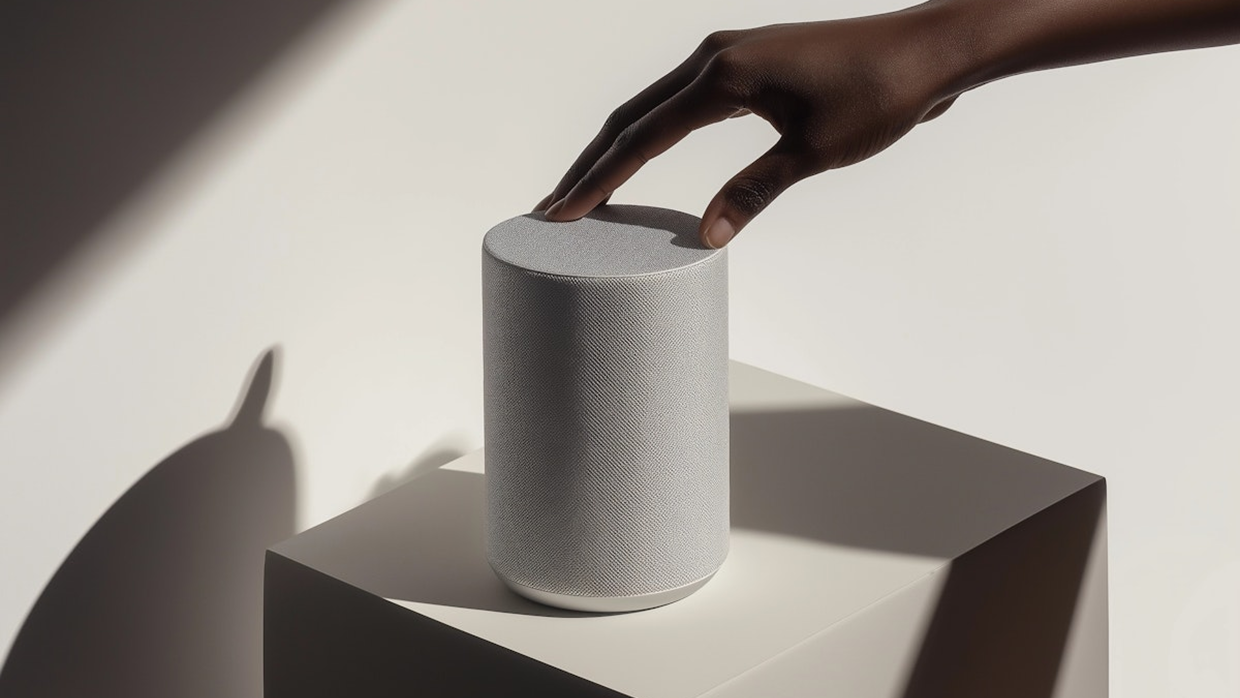
Smart speakers are evolving into seamless parts of our living spaces, designed with subtle aesthetics and intuitive touch controls. They deliver immersive sound experiences without demanding attention, blending effortlessly into daily home and work routines.
Smart speakers are evolving into subtle, everyday interfaces that blend seamlessly into home and work environments, enabling hands-free or low-effort control without demanding attention. Their design and superior sound quality make them ideal for long, natural listening sessions, supporting ambient audio that fits smoothly into daily routines and shared spaces.
AI-generated
Key Moments
1
Integration of Smart Speakers as Ambient Interfaces
Smart speakers are evolving into subtle, everyday interfaces that blend naturally into home and work environments, encouraging touch interaction over demanding attention.
2
Sound Quality and Comfort Driving Home Speaker Preference
Full-size smart speakers offer superior acoustic performance and reduce listening fatigue, making them preferred for longer, comfortable home use compared to headphones or compact devices.
3
Suitability of Smart Speakers for Modern Home Entertainment
Smart speakers fit seamlessly into modern home routines by supporting quick, low-effort audio control without screens, acting as central audio points for shared environments.
4
Shift towards Intentional and Consistent Home Audio Use
Users are reshaping living spaces for continuous background audio with smart speakers providing consistent room-filling sound and low-friction interaction, supporting immersion and everyday life integration.
AI-generated
Smart speakers are steadily moving from being perceived as novelty gadgets into quiet, everyday interfaces that naturally sit within homes, studios, and workspaces. Instead of feeling like “tech devices” that demand attention, they are increasingly treated as part of the environment itself—something people reach for without thinking.
The physical design of modern smart speakers plays a key role in this change in behavior. Soft-touch surfaces, fabric textures, and neutral, minimal forms make these devices feel closer to interior objects than to traditional electronics.
Smart speakers are no longer treated as single-purpose gadgets, but are becoming subtle, everyday interfaces that support how people shape sound across work, rest, and shared home spaces
AI-generated
Unlike screen-based devices that demand visual attention, smart speakers support ambient interaction that fits into ongoing activities. Small actions such as pausing music, adjusting volume, or triggering routines can happen with a quick tap, without requiring people to stop what they are doing or shift their focus toward a display.
Many users also find touch controls more comfortable in shared or quiet environments. Tapping to pause music or lower volume feels socially smoother than speaking commands out loud when other people are nearby, during meetings, or late at night.
As ambient computing becomes more common across homes and work environments, smart speakers are increasingly designed as subtle control points rather than attention-grabbing hubs.
How Sound Quality Is Driving the Shift
Full-size speakers provide more internal volume for acoustic design, which allows engineers to tune sound more precisely and deliver fuller low-end response, clearer mids, and more controlled highs.
Audio publications also note that dedicated home speakers outperform compact or portable options when it comes to clarity and separation across different frequencies. Guides comparing home audio setups show that larger speaker formats remain the preferred choice for users who prioritize sound presence and consistent quality over ultra-compact form factors, especially in living rooms and workspaces where sound is part of the environment rather than something worn on the body.
Not needing to wear headphones or earbuds for long periods reduces physical fatigue and pressure on ears, which makes extended listening sessions more sustainable during work, relaxation, or background music throughout the day.
Many modern home speakers are also designed to reduce listening strain by delivering balanced sound at lower volumes. Reviews often highlight how improved tuning and clearer mid-range reproduction allow people to keep volume levels lower while still hearing detail, which helps reduce long-term listening fatigue during music playback, calls, or ambient audio use.
Why Users Prefer Home Speakers for Daily Use
Less physical fatigue: Listening through room speakers removes constant pressure from ears and head, making longer sessions more comfortable during workdays, gaming, or extended background listening.
More natural sound presence: Sound filling a space feels less isolating and more integrated into the environment, which improves immersion without disconnecting users from what’s happening around them.
Smart Speakers and Home Entertainment
Home entertainment has become more integrated into everyday routines, increasing demand for simple, reliable audio interfaces that work naturally within shared spaces. Streaming platforms, podcasts, and ambient sound playlists are now part of daily life in many homes, which makes smart speakers a convenient way to access layered, continuous audio without relying on personal devices or screens.
Technology guides that focus on home audio setups often point out that smart speakers work well as central audio points for casual listening environments.
Why Smart Speakers Fit Modern Home Use
Modern home routines involve frequent transitions between work, rest, and entertainment, which favors devices that support quick, low-effort interaction. Smart speakers fit into these patterns by allowing people to start or stop audio, adjust volume, or trigger routines without shifting attention to a screen or opening apps.
Technology publications regularly review smart speakers as part of broader home ecosystem setups, positioning them as everyday tools rather than dedicated audio equipment.
At home, convenience often matters more than precision.
Michael Turner,
Audio Consultant
Smart speakers also integrate naturally with desks, shelves, and entertainment setups, where they become part of the room rather than a separate piece of equipment. Power connections, touch surfaces, and voice interaction fit into existing furniture layouts, making it easy to access sound without changing how the space is organized.
For many users, relying on smart speakers at home creates a clearer separation between personal, screen-based listening and shared, ambient audio.
How Home Listening Is Becoming More Intentional
More people are reshaping their living spaces around how they actually use sound at home, not just how rooms are traditionally labeled. Desks double as casual listening points during work hours, shelves and side tables become placement spots for speakers, and lighting is adjusted to support long periods of background audio without visual strain.
Sound is no longer only about high-quality playback during dedicated moments, but about creating an environment that feels balanced and easy to live in throughout the day.
Why Smart Speakers Fit Immersive Home Setups
Longer periods spent at home change how people think about sound and interaction. Smart speakers support immersion by keeping audio present without demanding constant attention, allowing music, spoken content, or ambient sound to play continuously during work sessions, household tasks, or downtime.
Reviews tend to focus on consistency, reliability, and how well devices hold up when used across long stretches of the day for background music, timers, and routines. These factors matter more in home settings where audio is part of everyday life rather than a single, intentional listening session.
Smart speakers also integrate naturally into desks and living-room setups, where laptops, TVs, and connected lighting systems are used interchangeably throughout the day.
Key Reasons for the Shift
More consistent home audio presence: Smart speakers provide steady, room-filling sound that supports background listening throughout the day, rather than being limited to short, intentional sessions.
Low-effort interaction: Touch and voice controls reduce the friction of starting, stopping, or adjusting audio, making sound easier to integrate into daily routines without interrupting other activities.
Smart speakers are no longer treated as single-purpose gadgets. They are becoming subtle, everyday interfaces that support how people shape sound across work, rest, and shared home spaces.