Wireless Earbuds Take Over Work and Personal Calls
Wireless earbuds have transformed calls into seamless parts of daily routines, enabling hands-free conversations across devices and locations, blending work and personal communication into a continuous, mobile experience.
Wireless earbuds have transformed daily communication by enabling hands-free calls that move seamlessly with users, blending work and personal conversations throughout the day. Their convenience, improved technology, and multi-device connectivity make them essential tools that go beyond audio accessories to become central for staying connected in any environment.
AI-generated
Key Moments
1
Hands-free convenience revolutionizes calls
Wireless earbuds enable users to take calls effortlessly while multitasking or moving, increasing productivity and flexibility.
2
Seamless multi-device switching
Earbuds now support fast switching via multipoint Bluetooth, allowing smooth transitions between laptops, phones, and tablets during calls.
3
Earbuds blend personal and professional communication
These devices unify work and personal calls, creating continuous connectivity that reshapes availability and communication habits.
4
Improved voice technology enhances call quality
Advanced microphones and noise reduction in earbuds provide clearer, more stable conversations outside traditional office environments.
AI-generated
Wireless earbuds now sit at the center of daily communication, moving calls and messages into moments that happen while people are already in motion.
What once required a desk or wired headset now happens on sidewalks, in shared spaces, and between short tasks. Calls move with people instead of stopping them. This shift blends communication into everyday movement.
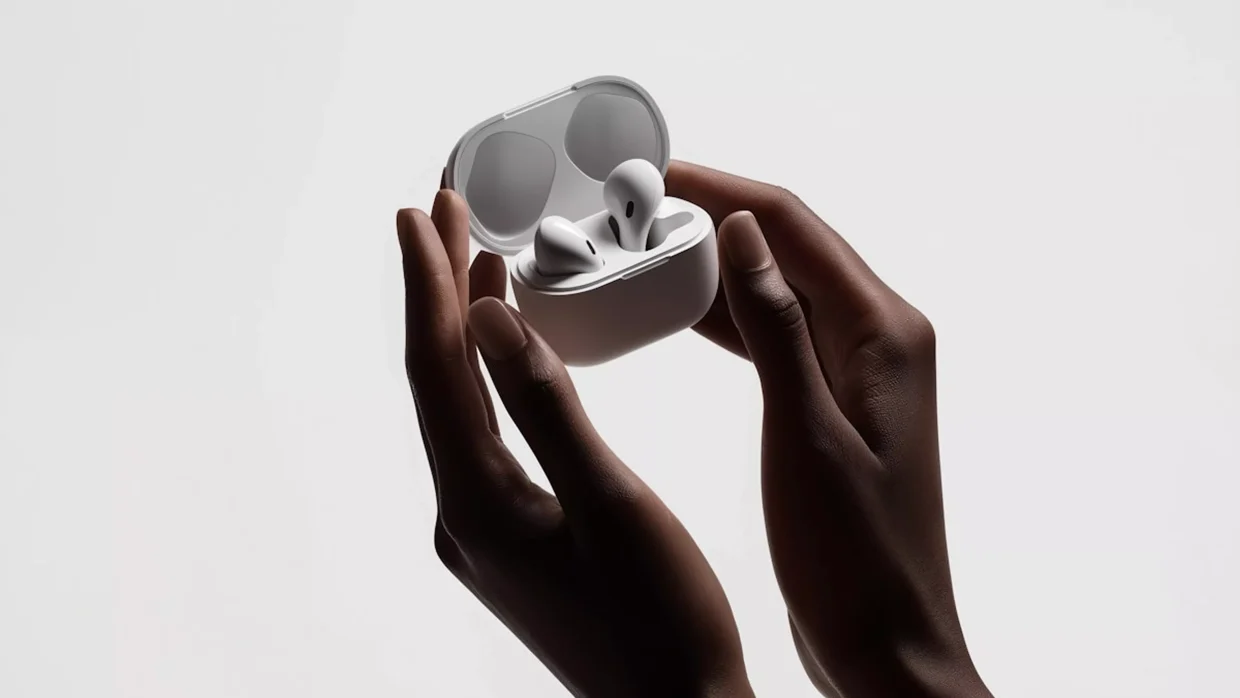
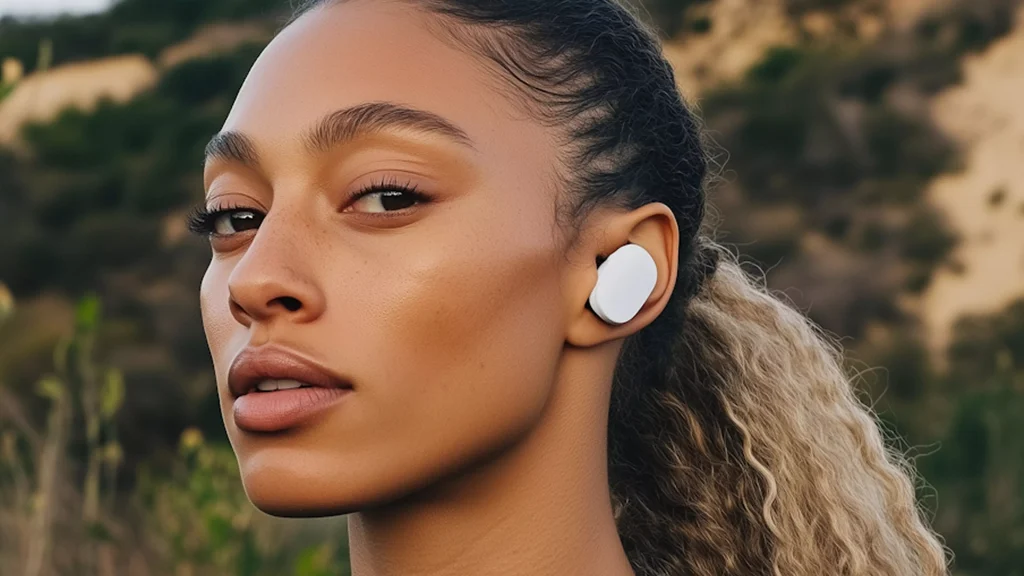
Wireless earbuds are no longer just audio accessories. They are now central to how people handle work calls, personal conversations, and everyday communication.
AI-generated
Remote routines and flexible schedules have made small, always-ready audio tools feel essential for staying connected. People move between personal and work conversations without changing setup. That continuity reshapes how reachable someone feels throughout the day.
Convenience plays a quiet role as hands stay free during walks, errands, and brief transitions between tasks. Clearer sound and steadier connections make longer conversations feel manageable outside traditional workspaces. Together, these details turn casual mobility into a dependable way to stay in touch.
For many, wireless earbuds now function less as accessories and more as everyday communication tools woven into daily life.
How Work Habits Changed Call Equipment
Work-from-home culture has changed how people handle calls. Publications like often cover how remote work tech includes earbuds as part of standard home office setups, replacing traditional headsets and speakerphones.
Tech reviews on best wireless earbuds highlight how call quality, multipoint connectivity, and microphone performance now influence buying decisions for work use as much as sound quality for music.
Seamless Switching Between Devices
Many earbuds now support fast switching or multipoint Bluetooth. This makes it easier to move between laptops, phones, and tablets without reconnecting, supporting modern multi-device workflows.
Sites like SoundGuys often review how earbuds for calls perform in meetings and everyday communication, focusing on mic clarity, background noise handling, and connection stability.
Wireless earbuds are also used for personal calls, voice notes, and social communication. They fit into daily life across work and personal moments, blending professional and casual use into a single device.
Consumer tech coverage on Bluetooth earbuds shows how these devices are now positioned as all-day communication tools rather than just audio accessories.
Why Earbuds Are the New Call Standard
Wireless earbuds reduce friction. There is no need to reach for a phone, untangle wires, or switch devices.
They also support privacy. Calls can be taken discreetly in shared spaces, open offices, or public areas.
Mobility reshaped communication long before offices did.
Linda Brooks,
Workplace Advisor
For many users, earbuds stay in ears for much of the day. This makes answering calls fast and effortless.
Over time, earbuds replace traditional headsets and speakerphone use.
How Calls Became Part of Everyday Movement
Quick conversations now happen while people walk between places or shift tasks during the day.
As communication follows people across errands, commutes, and shared spaces, the line between “work calls” and “personal calls” softens, making voice communication feel like a background layer of daily life rather than a fixed activity tied to one location.
When Devices Stay in Place All Day
Some users barely notice when they switch from listening to answering a call, especially when earbuds stay in throughout work sessions, short breaks, and casual listening moments across the day.
Others find that constant access changes how quickly they respond to messages and calls, since answering feels less disruptive when the device is already in place and ready to use in shared or mobile settings.
Over time, this familiarity reshapes expectations around availability, turning earbuds into a default communication layer rather than a tool picked up only when a call arrives.
Key Reasons Earbuds Lead Communication
Always ready for calls: Earbuds make answering quick and seamless.
Improved voice tech: Better mics and noise reduction support clearer conversations.
Wireless earbuds are no longer just audio accessories. They are now central to how people handle work calls, personal conversations, and everyday communication.

















You somehow always know what topic I need to read about next.
I’ve sent this post to my sister—it’s so relevant to what we just talked about.