The Rise of High-Cushion Running Shoes for Everyday Training
High-cushion running shoes are transforming daily training routines by reducing joint stress and soreness, making consistent mileage more sustainable. Advances in cushioning technology now blend comfort with responsiveness for everyday use.
High-cushion running shoes have transformed everyday training by providing runners with enhanced comfort and protection, allowing for higher weekly mileage and reduced impact stress. Advances in midsole technology now offer a responsive, stable feel that helps maintain consistency, prevent injuries, and support varied training needs from beginners to seasoned athletes.
AI-generated
Key Moments
1
Widespread Adoption of High-Cushion Shoes for Daily Training
Runners increasingly use high-cushion running shoes for regular sessions to reduce impact stress and support consistent mileage.
2
Advancements in Cushioning Technology
Modern midsoles offer softer, lighter, and more durable cushioning materials that balance shock absorption with energy return and responsiveness.
3
Cushioning Supports Injury Prevention and Recovery
Softer shoe landings reduce repetitive impact stress, helping lower risk of overuse injuries and enabling better recovery between runs.
4
Impact of Cushioning on Training Consistency and Mindset
Extra cushioning makes routine runs feel easier, encouraging consistent training by reducing discomfort and reshaping runners’ approach to weekly effort and recovery.
AI-generated
High-cushion running shoes are becoming part of everyday training for more runners, reshaping expectations around comfort, protection, and how daily mileage is experienced.
Instead of treating softness as something reserved for recovery days, many runners now choose cushioning for regular sessions. Daily miles add up, and repeated impact can quietly wear the body down over time. Extra padding reduces stress and makes consistency feel more sustainable across busy training weeks.
Comfort keeps people consistent longer than motivation does.
AI-generated
Running environments also shape this shift toward softer landings. Hard pavement, sidewalks, and treadmills expose joints to constant impact with little natural give. Over months of steady training, that repeated contact can translate into lingering soreness, stiffness, or forced rest days that interrupt progress and motivation.
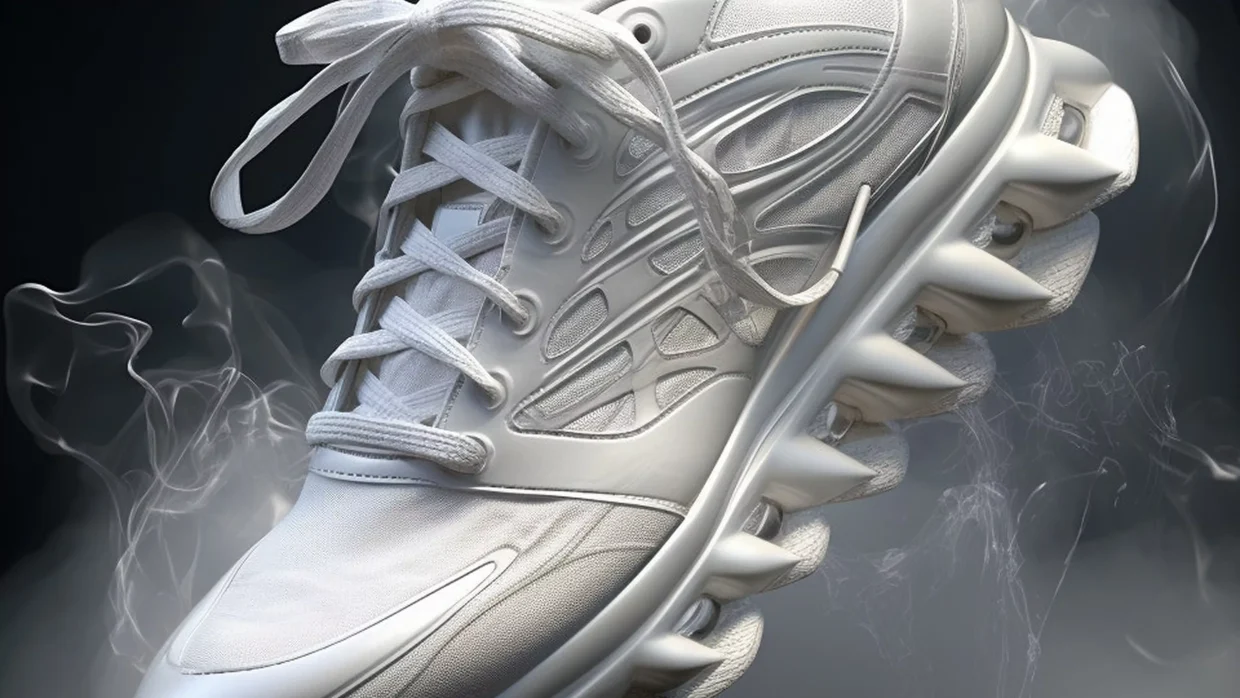
At the same time, material advances have changed how thick midsoles behave underfoot. Modern cushioning can compress smoothly, rebound with control, and avoid the heavy, unstable feeling that once came with softer shoes. As this balance improves, comfort no longer feels like a compromise for runners who still want responsive movement.
For everyday runners, cushioned shoes now serve as reliable training partners that support routine mileage, protect tired legs, and make regular running feel more sustainable over time.
How Cushioning Technology Has Evolved
Modern running shoe foams are designed to be softer, lighter, and more durable than earlier materials. Guides on maximum cushion running shoes explain how newer midsole compounds improve shock absorption while still providing energy return that supports steady pacing and daily mileage.
Major brands have also invested heavily in foam innovation. Overview of running shoe cushioning highlights how layered and tuned midsoles are designed to support different training needs, from easy recovery runs to longer endurance sessions, making cushioning more specialized and purpose-driven.
High-cushion shoes make it easier for runners to handle higher weekly mileage. The extra softness reduces cumulative impact fatigue, which helps runners recover faster between sessions and maintain more consistent training schedules.
Reviews often cover how daily trainer running shoes with extra cushioning support regular training by making everyday runs feel less stressful on the body, especially during back-to-back running days.
Why Runners Are Choosing More Cushion
Reduced joint impact: Softer midsoles help absorb shock, making runs feel easier on knees, hips, and ankles over repeated sessions.
Improved long-run comfort: Extra cushioning helps maintain comfort over longer distances and extended training efforts.
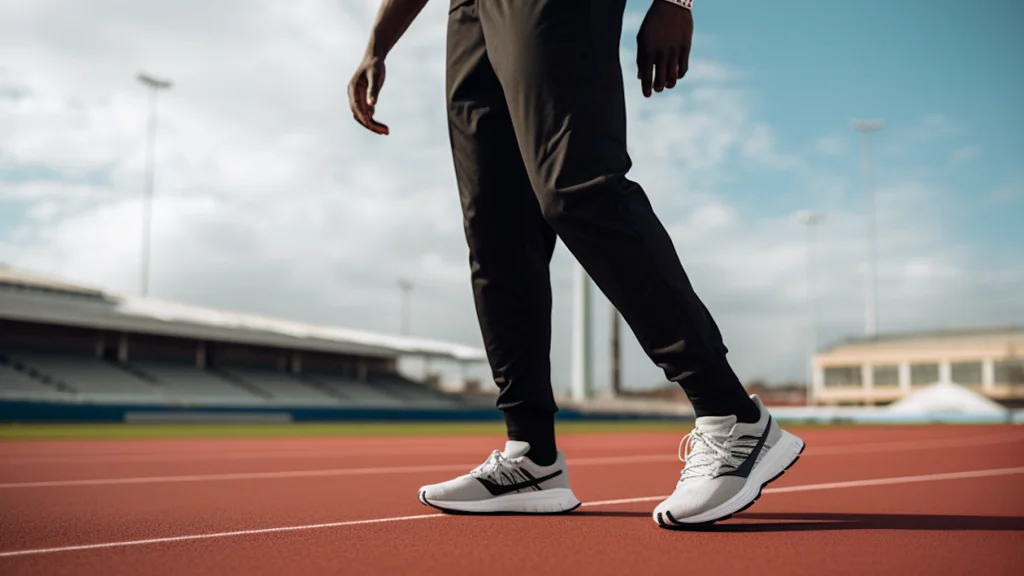
Image by Jamie Blaire
Cushioning and Injury Prevention
Many runners now see cushioning as part of injury management and prevention. Softer landings can reduce repetitive impact stress, which may help lower the risk of overuse injuries for runners increasing mileage or returning from time off.
Sports medicine discussions on running injury prevention often mention how footwear choices play a role in managing impact and training load, making cushioning part of a broader strategy that includes recovery, strength work, and smart training volume.
Why High-Cushion Shoes Fit Everyday Training
Everyday training is about consistency, not just speed. High-cushion shoes support this by making routine runs feel more forgiving, helping runners stick to schedules without feeling worn down by constant impact.
Shoe reviewers regularly test high stack running shoes, showing how thicker midsoles can still feel stable and responsive enough for daily use, even with added height and softness.
Comfort keeps people consistent longer than motivation does.
Ben Wallace,
Footwear Specialist
Cushioned shoes also work well for mixed training weeks. They support recovery runs, easy miles, and long efforts, making them versatile for runners with varied routines and changing intensity levels.
For newer runners, extra cushioning can make running more approachable. Softer shoes reduce discomfort and early fatigue, helping beginners build habits and confidence without excessive soreness.
How Cushioning Changes Daily Training Decisions
Cushioned footwear changes how runners think about effort across a full week of training. When impact feels more manageable, people are more willing to run on days that might otherwise feel too taxing, which subtly increases overall consistency.
This shift also affects how runners plan recovery. Softer shoes can make easy days feel genuinely restorative rather than just slower versions of hard sessions, helping maintain rhythm across longer training cycles.
How Runners Adapt to Softer Landings Over Time
Over repeated weeks of training, softer landings can influence how the body tolerates volume. When impact feels less punishing, runners often become more comfortable maintaining steady mileage without constantly adjusting plans due to lingering soreness.
This consistency can change mindset as well. When discomfort fades into the background, runners tend to focus more on routine and pacing instead of bracing for impact with every step.
Key Reasons for the Shift
Better long-term comfort: Cushioning supports higher training volume with less accumulated impact stress.
Versatility for daily runs: One shoe can handle easy runs, long runs, and recovery sessions comfortably.
High-cushion running shoes are no longer niche products. They have become everyday tools for runners who value comfort, protection, and consistency, reshaping expectations around what daily training footwear should provide.























Short but packed with helpful value. Love your writing style.
This blog has slowly become part of my weekly reading routine. Appreciate you!