Compact creator gear is transforming home spaces into versatile studios, making content creation more accessible, flexible, and less intimidating by simplifying setups and lowering costs for everyday users.
Compact, affordable creator gear is transforming ordinary living spaces into versatile studios, enabling more people to create and publish content easily. This trend not only lowers barriers to entry but also encourages consistent, flexible creative habits, making content creation more accessible and sustainable for a wider audience.
AI-generated
Key Moments
1
Compact Gear Enables Flexible Home Studios
Smaller, affordable creator gear allows users to build functional studios in limited spaces, supporting spontaneous and mobile creative work.
2
Accessibility Lowers Barriers for New Creators
Affordable and easy-to-use tools reduce the financial and technical hurdles, enabling more people to experiment with content creation.
3
Software Complements Hardware for Quality Production
Modern software supports lightweight hardware, allowing creators to produce professional-quality audio and video with simpler setups.
4
Consistency and Habit Formation in Content Creation
Repeated use of compact gear fosters creative routines and regular publishing habits, integrating content creation into daily life.
AI-generated
Creator gear is shrinking in size and cost, turning everyday rooms into workable studios for people who once felt locked out of content creation and production.
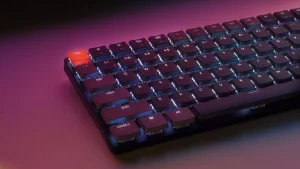
Across desks and shared spaces, compact tools now handle tasks that once required bulky setups and dedicated rooms. Small microphones, lights, and cameras fit easily beside laptops and notebooks. This reflects how home work areas are adapting to creative use rather than staying limited to basic office tasks.
Lower barriers don’t reduce quality — they widen participation.
AI-generated
Rather than wrestling with complex setups and technical hurdles, people can focus more on making things and less on configuration. Easier tools lower the barrier to trying new formats, experimenting with ideas, and publishing more often without feeling overwhelmed by setup details.
As portability improves, creators move between rooms and locations without rebuilding setups each time. This flexibility supports spontaneous work, letting ideas be captured wherever time and space allow, whether at home, in temporary workspaces, or during short travel breaks throughout the day.
Together, these changes widen who can take part in content creation and production.
Brands like RØDE are producing compact microphones and audio interfaces that deliver professional sound in small, desk-friendly formats. These products help creators achieve good audio quality without large studio equipment, reducing the need for complex audio setups.
Lighting and capture companies are also offering streamlined lights, capture cards, and mounts designed specifically for home creators and small setups. These tools simplify mounting, lighting, and video capture, helping creators set up faster and keep their spaces organized.
Why Smaller Gear Fits Modern Creator Workflows
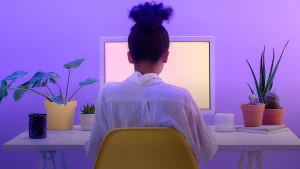
Many creators work from shared spaces, bedrooms, or apartments, making compact gear easier to integrate into everyday life. Smaller equipment helps reduce clutter and keep workspaces flexible, which is especially important for people who combine living and working areas.
Software tools also support these workflows, enabling creators to stream and record high-quality video using lightweight hardware setups. This software allows creators to get professional results from modest equipment while keeping production simple.
Key Advantages of Compact Creator Gear
Space-Saving Design: Smaller devices fit easily on desks and shelves, making it possible to build a studio in limited space while keeping living areas usable and comfortable.
Lower Cost of Entry: Affordable compact gear allows new creators to get started without large upfront investments, reducing financial risk and making experimentation more accessible.
Image by Jamie Blaire
The Role of Platforms in Supporting Small Creators
Publishing and monetization platforms such as YouTube make it possible for creators to reach audiences directly, encouraging more people to invest in small, personal studio setups and experiment with content formats that suit their interests and skills.
What This Means for the Future of Content Creation
As gear becomes more accessible, more people are able to experiment with video, audio, and live streaming as part of their creative work. This helps diversify the types of content available online and gives audiences more niche and personalized options.
Creator economy tools also continue to grow, supporting direct relationships between creators and their audiences through memberships and subscriptions. These tools help creators build more predictable income and deeper audience connections.
Lower barriers don’t reduce quality — they widen participation.
Jamie Collins,
Creator Consultant
This shift encourages creators to build more personal and consistent publishing habits from home, turning small studios into regular production spaces rather than occasional setups.
Over time, compact gear may help normalize content creation as a side project or small business rather than a full-scale studio operation. This could change how people think about creative work and make content creation a more common career path.
How Access Changes Creative Habits
At first, having affordable, compact gear feels like a convenience that removes some friction from getting started. Over time, however, repeated access to simple tools begins to change how people approach creative work, making short recording sessions and regular publishing feel more realistic within everyday schedules.
This shift gradually reframes content creation as something that can fit into ordinary routines rather than requiring special preparation or dedicated studio time.
How Consistency Grows Over Time
Early attempts at regular publishing often feel uneven, with motivation fluctuating as people test new formats.
As familiarity grows, creators begin to settle into rhythms that match their lives, using compact setups to capture ideas more often without waiting for perfect conditions.
With repetition, this consistency reshapes creative habits, turning small studios into reliable spaces for ongoing work rather than occasional bursts of activity.
Challenges That Shape Compact Creator Setups
Audio and Lighting Limitations: Smaller gear may require more careful placement and setup to achieve professional-quality sound and lighting, especially in untreated rooms with background noise or poor lighting.
Upgrade Paths: As creators grow, they may need to balance compact gear with more advanced equipment to meet higher production demands and audience expectations.
As better, smaller creator gear continues to improve, home studios are likely to become even more common, giving more people the tools to publish, stream, and share content from wherever they work and live, making content creation more accessible, flexible, and sustainable over time.