This Is What the Next Generation of Tech Is Starting to Look Like
The next generation of tech focuses on comfort, personal style, and subtle design that integrates seamlessly into daily life, shifting attention from specs to lasting usability and how devices naturally fit into routines.
The next generation of tech is redefining daily devices by focusing on personal design, comfort, and seamless user experience rather than just technical specs. This shift is encouraging longer device ownership and integrating technology more naturally into everyday life, with sustainability and repairability becoming key considerations.
AI-generated
Key Moments
1
Redefinition of Device Value Beyond Specs
User satisfaction is increasingly influenced by comfort, visual presence, and usability rather than just technical specifications.
2
Design Innovation as Market Differentiator
Companies focus on materials, finishes, and novel form factors like foldable and modular devices to enhance user engagement and perception of quality.
3
Sustainability and Longer Device Lifecycles
Sustainability practices and design durability encourage longer ownership, reducing the frequency of upgrades and environmental impact.
4
Challenges in Balancing Design, Cost, and Repairability
Premium materials and integrated designs improve experience but raise price and repair complexity, posing challenges for affordability and sustainability.
AI-generated
A new wave of consumer technology is quietly reshaping how devices fit into daily routines, changing how they look, feel, and belong in everyday spaces.
Across phones, wearables, and home tools, expectations are shifting. People no longer judge devices only by technical strength. Instead, daily comfort and visual presence now shape how technology earns a place in routine use.
Use experiences now carry more influence over satisfaction than specification lists once did.
AI-generated
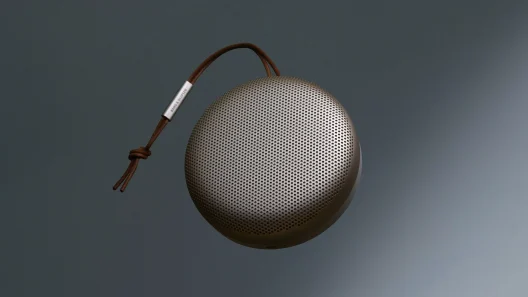
Design choices increasingly treat everyday tech as something to be seen and handled, not hidden away. As objects move closer to the body and living space, they take on social meaning and visual weight, influencing how people express habits and taste.
Use experiences now carry more influence over satisfaction than specification lists once did. Thoughtful interfaces, subtle feedback, and physical ease shape how often devices are reached for, trusted, and kept in use across long stretches of ordinary life.
Together, these changes are redefining what modern technology is expected to offer, blending usability, presence, and lifestyle fit into everyday tools.
How Design Is Driving the Next Wave of Devices
Companies continue to push design as a central part of product strategy, focusing on materials, finishes, and how devices feel in daily use. These design choices influence how people perceive quality and how likely they are to keep devices longer.
At the same time, many giant brands are experimenting with new form factors, including foldable and modular designs, to rethink how people interact with screens and hardware. These experiments help redefine what a phone, tablet, or wearable can look like.
Why User Experience Is Becoming a Key Differentiator
As hardware performance becomes more standardized, user experience is becoming a major way brands stand out in crowded markets. Small differences in software flow and hardware interaction can strongly influence purchasing decisions.
Many product teams now rely on research and testing insights shared by platforms to refine how people interact with devices, from gestures to interface layouts. This research helps companies reduce friction and improve daily usability.
Key Changes Shaping Everyday Tech
More Personal Design Choices: Devices are increasingly offered in a wider range of finishes, sizes, and styles, allowing people to choose tech that better fits their personal taste and lifestyle.
Comfort and Ergonomics: Hardware is being designed to feel better in hand, on the wrist, or on the desk, reducing strain and making longer use more comfortable for everyday tasks.
Image by Jamie Blaire
The Role of Materials and Sustainability
Sustainability is becoming part of the design conversation, highlighting recycled materials and energy-efficient components in new product lines. These efforts reflect growing consumer awareness around environmental impact.
What This Means for How People Use Technology
As devices become more thoughtfully designed, people may keep them longer and build stronger habits around daily use. Better design can reduce the urge to upgrade simply for cosmetic reasons.
Industry research shows that design, durability, and user experience are increasingly important factors in purchasing decisions, alongside price and performance. This trend is shaping how manufacturers plan future product cycles.
The most noticeable change is how little users need to think about the device.
Victor Huang,
Tech Forecaster
This trend may also influence how people upgrade, shifting focus from frequent replacements to longer-term ownership. Longer device lifecycles can change how people budget for and think about personal technology.
Over time, better design and usability could reduce friction in everyday tasks, making technology feel less intrusive and more supportive of daily routines.
Design Choices Are Shaping Long-Term Use
Some design decisions influence behavior quietly, changing how often people reach for certain devices and how naturally those objects fit into daily habits. When materials feel intentional and construction feels durable, users tend to treat products with more care over time, forming routines around objects that feel stable rather than disposable.
In contrast, poorly considered materials can create friction in subtle ways, from surfaces that show wear too quickly to finishes that feel out of place in everyday settings. These small mismatches between design and daily use can make technology feel temporary, even when performance remains strong.
When Design Begins to Fade Into Routine
As devices become more visually calm and materially consistent, they start to disappear into the background of daily life in a positive way. Instead of drawing constant attention to themselves, they support routines quietly, becoming part of the environment rather than a focal point that demands ongoing adjustment.
Over time, this kind of design presence can shape how people relate to technology, encouraging longer ownership and reducing the sense that tools must be replaced simply to feel current. Familiarity grows not through novelty, but through reliability and ease of living with an object across everyday moments.
Challenges That Will Shape the Next Generation of Tech
Balancing Design and Cost: Premium materials and new form factors can raise prices, making affordability an ongoing challenge for manufacturers and consumers.
Maintaining Repairability: Thinner and more integrated designs can make repairs more difficult, raising concerns about long-term sustainability and serviceability.
As the next generation of tech continues to take shape, everyday devices are likely to become more personal, more comfortable, and more closely aligned with how people live and work, changing not just what technology does, but how it feels to use it every day across many parts of life.



















This blog post really hit home emotionally. Thanks for putting it out there.