Why Knob-Based Controls Are Returning in Modern Audio Gear
Modern audio gear is embracing knob-based controls again, offering fast, tactile, and intuitive adjustments that cut through complex digital menus and enhance everyday listening comfort and usability.
Physical knob controls are making a comeback in modern audio gear because they offer faster, more intuitive adjustments without relying on screens or apps. Users appreciate the tactile feedback and simplicity, which enhances everyday listening by making interaction feel natural and seamless alongside digital features.
AI-generated
Key Moments
1
Immediate and Reliable Adjustments
Knob-based controls enable faster and more dependable changes than digital menus by allowing users to adjust settings instantly without visual attention.
2
Physical Feedback Enhances Usability
Tactile resistance and feedback from knobs support muscle memory and precise control, improving the user experience especially in dedicated listening setups.
3
Hybrid Designs Combine Retro and Modern
Modern audio gear blends physical knob controls with digital features to offer both simplicity and advanced functionality.
4
Reduced Screen Dependency and Intuitive Interaction
Users prefer knobs because they lower reliance on apps and screens while matching natural sound adjustment habits, making interaction more intuitive and less distracting.
AI-generated
Knob-based controls are returning to modern audio gear, shifting everyday listening back toward physical interaction and simpler, more direct adjustments.
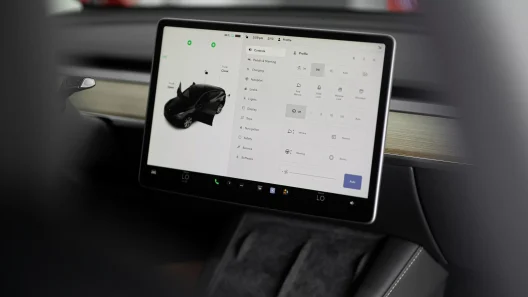
Designers have leaned heavily on screens and apps for years. That approach reduced visible hardware and promised flexibility across devices. Yet many listeners now feel slowed down by menus and layered interfaces during ordinary use.
Knob-based controls are no longer just a nostalgic design choice but a return to speed, simplicity, and tactile control in modern audio gear.
AI-generated
For routine changes, a dial can feel faster and more dependable than tapping through digital panels. The motion is immediate and readable without visual attention. This makes small adjustments easier during work, travel, or casual listening at home.
Growing fatigue with complex interfaces has made simplicity feel practical again rather than nostalgic. People want to adjust volume or tone without waiting for screens to respond. In shared spaces, tactile controls also help multiple users interact without learning each system.
As a result, physical knobs are becoming a quiet signal of ease in audio spaces shaped by constant screens.
How Tactile Controls Improve User Experience
Physical controls provide immediate feedback. Reviews on hi-fi amplifiers often highlight how knobs improve usability by allowing quick, precise adjustments without forcing users to look at a screen or navigate software menus.
Audio review sites also note the appeal of tactile interaction. SoundGuys frequently discuss how audio gear controls affect everyday usability, especially for users who value simple, reliable operation in both casual and dedicated listening environments.
Speed and Simplicity Over Menus
Knobs allow users to make changes instantly. There is no need to unlock a screen, open an app, or navigate layered menus, which reduces friction during listening.
Discussions often mention how physical audio controls are preferred by many listeners for their speed and reliability, especially in dedicated listening setups where focus is on sound, not interface.
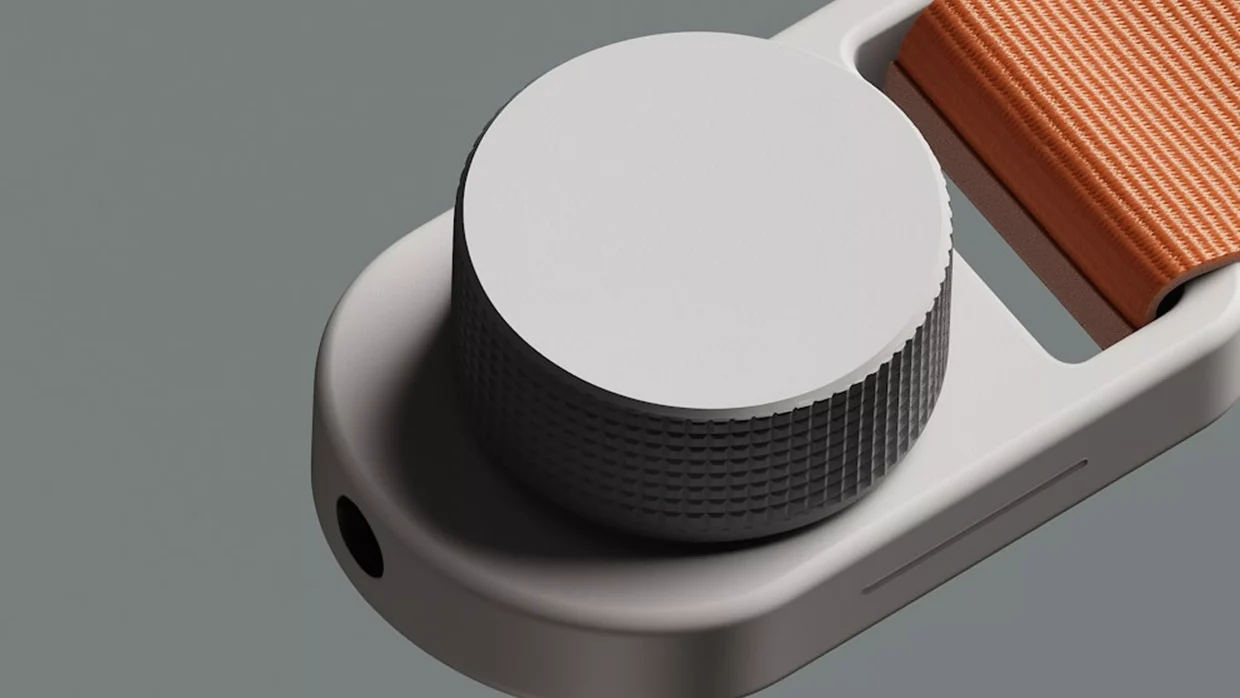
Instant adjustment: Turning a knob is faster than tapping through digital menus, especially for frequent changes.
Tactile feedback: Physical resistance helps users feel precise control and build muscle memory.
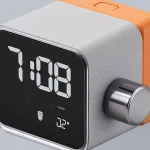
Image by Jamie Blaire
Retro Design Meets Modern Audio
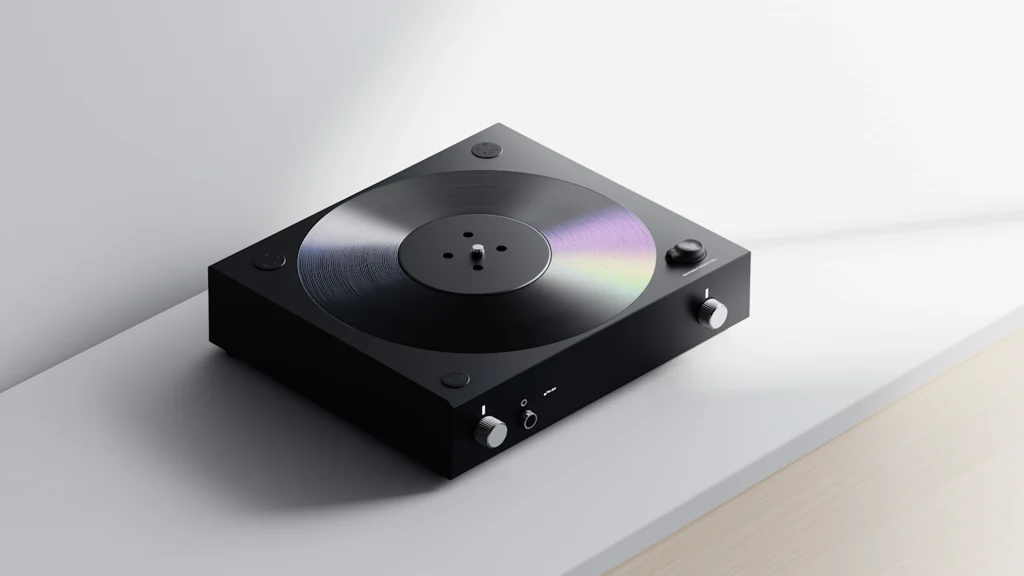
The return of knobs also reflects a broader appreciation for retro-inspired design. Vintage-style gear is influencing how modern products look and feel, blending nostalgia with modern performance.
Coverage on modern audio equipment shows how brands mix classic design elements with modern features, appealing to users who want both familiar interfaces and updated technology.
Why Knobs Fit Today’s Listening Habits
Knobs work especially well in home listening environments. When users are relaxed, they want simple controls that don’t interrupt the experience or pull attention away from music or media.
Many modern audio systems now combine physical knobs with digital features. This hybrid setup offers tactile control alongside smart functionality, giving users flexibility without sacrificing simplicity.
Tactile feedback builds trust faster than menus.
Thomas Becker,
Interface Designer
For users with dedicated audio setups, knobs also support muscle memory. Over time, listeners can adjust settings without even looking at the device, making control feel more natural.
This creates a more seamless relationship with audio equipment, where interaction becomes part of the enjoyment rather than a barrier.
Tactile Design in Everyday Listening
In relaxed settings, people tend to interact with audio gear in small, habitual ways that don’t require focused attention or visual confirmation.
Over longer periods of use, physical controls begin to shape routines, turning everyday adjustments into movements that feel automatic and barely noticeable, which helps keep attention on the sound itself rather than the device.
Why Physical Controls Still Feel Natural
Some listeners prefer knowing exactly where a control sits, even when the system also offers digital options.
Others grow more comfortable with physical controls as they repeat the same small actions across daily listening sessions, gradually building familiarity that reduces effort over time.
These subtle habits can make equipment feel less like technology to manage and more like part of the listening environment itself.
Key Reasons Knobs Are Returning
Less screen dependency: Physical controls reduce reliance on apps and touch interfaces.
More intuitive interaction: Knobs match how people naturally adjust sound levels and settings.
Knob-based controls are no longer just a nostalgic design choice. They are returning because users value speed, simplicity, and tactile control, showing how modern audio gear is rediscovering the benefits of physical interaction in a digital world.






















Even when the topic is heavy, you keep the tone thoughtful and kind.