Digital-first brands move beyond traditional stores, shaping identity through daily online interactions, social signals, and community connections that influence how people express values and style in a fast-evolving digital culture.
Digitale First-Marken prägen zunehmend unsere persönliche Identität, indem sie durch soziale Plattformen und direkte Kanäle kulturelle Trends setzen und alltägliche Vorlieben beeinflussen. Menschen drücken sich heute stark über die Marken und Communities aus, denen sie online folgen, was ihre Werte und Zugehörigkeit sichtbar macht.
AI-generated
Key Moments
1
Digital Brands as Identity Shapers
Digital-first brands influence daily personal identity by integrating online presence with everyday self-expression and social signals.
2
Dominance of Social Platforms in Brand Discovery
Social media platforms have surpassed physical storefronts as the primary channels for consumers, especially younger generations, to discover and engage with brands.
Direct-to-consumer models empower brands to control customer experience and foster ongoing engagement through personalized, data-driven interactions.
4
Public Digital Signals Define Personal Identity
Repeated public interactions with digital brands create visible patterns that communicate individuals' tastes, values, and social belonging.
AI-generated
Digital-first brands now shape everyday identity, blending online presence with how people present themselves across routine moments.
Across feeds and group chats, products and messages influence what feels current. People mirror what they see shared. This reflects how digital culture now frames taste and belonging.
Identity today is built through choices people repeat publicly.
AI-generated
Rather than discovering brands through storefronts, many encounter them through daily scrolling. Exposure feels constant, shaping preferences without feeling like advertising.
As communication shifts toward direct channels, brands respond quickly to small changes in mood and trend, adjusting language, visuals, and timing to stay present in fast-moving conversations. This immediacy makes relationships feel personal, letting people signal values through what they follow, support, and choose to show.
Together, these shifts show how personal identity is increasingly shaped through everyday brand connections.
How Online-First Brands Build Cultural Influence
Platforms like Instagram allow digital-first brands to shape visual culture through curated feeds, collaborations, and community-driven content. These visuals help define what is considered current, desirable, or on-trend.
Marketplaces make it easier for emerging brands to launch quickly and connect directly with audiences, bypassing traditional retail barriers and allowing for faster feedback from customers.
For many brands, social presence is now more important than physical shelf space, especially for reaching younger, mobile-first consumers who discover products through their phones.
Discovery often happens through social platforms where trends, challenges, and creator content can rapidly shape how brands are perceived and adopted by new audiences.
Key Ways Brands Influence Personal Identity
Lifestyle Messaging: Brands promote values and narratives that consumers adopt as part of how they describe themselves, their priorities, and their personal style.
Community and Belonging: Online-first brands often build communities that make customers feel part of a shared culture, helping strengthen emotional connections to the brand.
Image by Jamie Blaire
The Role of Direct-to-Consumer Channels
Direct-to-consumer models allow brands to control the full experience, with platforms like Stripe supporting payments and subscriptions that strengthen ongoing customer relationships and data-driven engagement.
What This Means for How People Present Themselves
As brand interactions become more digital, personal expression increasingly happens through what people follow, share, and recommend online. These signals become part of how people are perceived by others.
Profile-based platforms and tools, including services connected through Linktree, allow individuals to curate a public-facing identity that reflects the brands and creators they support. This creates a visible connection between identity and brand choices.
Identity today is built through choices people repeat publicly.
Alex Moreno,
Culture Analyst
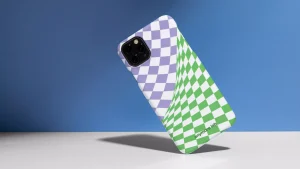
Physical style is also influenced by digital trends, as online campaigns and limited releases drive what people wear and how they accessorize in everyday life.
Over time, the line between personal taste and brand influence may become even more blurred, with identity shaped through ongoing digital engagement and algorithm-driven discovery.
How Digital Channels Reshape Identity
At first, direct brand channels simply offered convenience, giving people easier ways to buy and follow what they liked without intermediaries. Over time, repeated interaction with these channels has shifted how people think about their relationship with brands, turning transactions into ongoing touchpoints that quietly shape habits and preferences.
This shift also changes how identity is performed in public spaces, as digital traces of what people follow, subscribe to, and share become part of how they are recognized by others.
How Public Signals Take Shape
Early interactions with digital brands often feel private, limited to personal feeds and purchase histories.
As habits become visible across profiles and social spaces, those same choices begin to signal taste, values, and belonging to wider audiences.
With repetition, these signals settle into patterns, shaping how people present themselves and how others read their identity through everyday digital behavior.
Challenges That Shape Digital-First Branding
Authenticity and Trust: Consumers are increasingly skeptical of overly polished branding and expect transparency, real engagement, and clear values.
Algorithm Dependence: Heavy reliance on social platform algorithms can make brand visibility unpredictable and harder to control over time.
As digital-first brands continue to grow, their influence on personal identity is likely to expand, shaping not only what people buy, but also how they see themselves and present that identity across both online and physical spaces in everyday life.

























I could feel your voice in every single line. That personal touch matters.
Great mix of practical advice and bigger-picture thinking overall.
That means a lot—thank you for spreading the word and supporting the blog!