What Smart Glasses Mean for the Future of Wearables
Smart glasses are evolving from experimental gadgets to practical daily tools, blending comfort, AI features, and seamless integration into everyday life, while addressing privacy and design challenges to become the next wearable frontier.
Smart glasses are evolving into practical, everyday wearable devices thanks to advancements in design, battery life, and AI features like real-time translation and object recognition. Major tech companies and improved ecosystems are driving adoption, but challenges around privacy and battery performance remain key factors shaping their future.
AI-generated
Key Moments
1
Evolution Toward Practical Wear
Smart glasses have shifted from experimental gadgets to practical, comfortable devices suited for extended daily use.
2
Industry Investment and Technological Advances
Major tech companies and chipmakers are driving adoption with AI features, better hardware, and optimized components for smart glasses.
3
Emerging Key Use Cases
Hands-free access to information and first-person media capture are primary use cases that enhance convenience and social sharing.
4
Privacy and Technical Challenges
Concerns about surveillance, data handling, battery life, and performance must be addressed to accelerate mainstream acceptance.
AI-generated
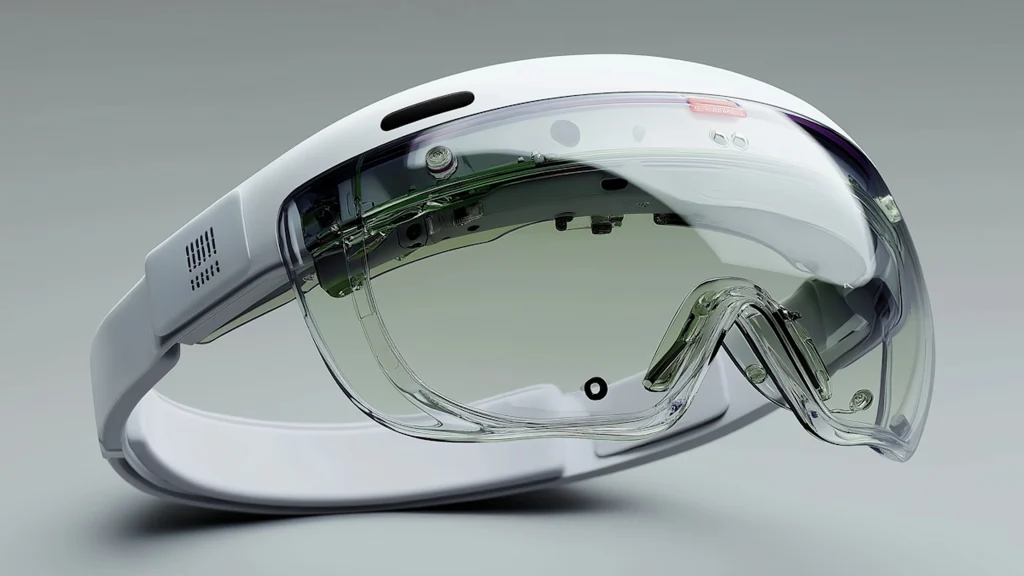
Smart glasses are moving beyond novelty and early experimentation, becoming wearable tools that more people now consider for everyday tasks across work, travel, movement, and casual communication in ordinary daily life.
Not long ago, these devices existed mostly at the edges of consumer technology. Designs felt unfamiliar, and everyday use seemed impractical for most people. Gradually, more refined versions are appearing, with attention shifting toward comfort, wearability, and fitting naturally into daily routines rather than standing out as experimental gadgets.
New devices succeed when they blend into routines instead of demanding attention.
AI-generated
Lighter frames, improved balance, and steadier performance now make extended wear feel more realistic than before. Daily use becomes more approachable as hardware grows less intrusive and better suited to long hours of movement, work, and casual use without constantly reminding the wearer that a device is present.
At the same time, interaction methods are becoming more natural, allowing information to surface without breaking attention or pulling focus away from surroundings in public or shared spaces. Subtle improvements in controls, alerts, and visual presentation help the technology blend into everyday habits, reducing the sense of friction that once made wearable displays feel awkward or distracting during normal activities.
Taken together, these shifts suggest smart glasses are settling into everyday life, moving from curious experiments toward practical tools people can realistically imagine using on a regular basis.
Large technology companies are investing heavily in smart glasses, with platforms focusing on social, camera, and AI-powered features designed for everyday use and broad consumer appeal. These efforts are helping bring smart glasses closer to mainstream product lines.
Other players are also expanding their efforts to build wearable chips optimized for low power use, improved performance, and always-on connectivity for glasses and similar devices. These chips are designed to support longer battery life and more advanced features.
Why Smart Glasses Are Becoming More Practical
Advances in display technology and battery efficiency are making smart glasses lighter and more comfortable, helping reduce one of the biggest barriers to long-term adoption and all-day wear. Smaller components are also making it easier to create slimmer and more balanced designs.
Ecosystem support is also improving, with platforms and operating systems offering better integration for wearables, including tools supported by Android to help developers build apps for connected eyewear and related devices. This wider support encourages more use cases and third-party innovation.
Key Use Cases Emerging for Smart Glasses
Hands-Free Information Access: Smart glasses allow users to view notifications, directions, and basic data without pulling out a phone, supporting safer multitasking and more convenient access to information while on the move in daily situations.
Camera and Media Capture: Built-in cameras make it easier to capture photos and short videos from a first-person perspective, supporting social sharing, documentation, and content creation in everyday and professional settings.
Image by Jamie Blaire
The Role of AI in Next-Generation Smart Glasses
Artificial intelligence is becoming a core feature in smart glasses, with companies adding real-time translation, object recognition, and voice-based assistance to deliver smarter and more contextual experiences. These capabilities help make smart glasses more useful in real-world environments.
What the Next Phase of Wearables Could Look Like
As hardware continues to improve, smart glasses are expected to become thinner, lighter, and more visually similar to traditional eyewear, reducing the social friction of wearing visible tech in public spaces. This design evolution may help attract users who previously avoided wearable displays.
Software platforms will likely play a bigger role, with operating systems and cloud services offering more personalized experiences, including real-time assistance and contextual information delivered through connected services like Google Cloud for processing, data intelligence, and AI-powered features.
New devices succeed when they blend into routines instead of demanding attention.
Lena Hoffman,
Wearable Researcher
Privacy and data handling will also become more central, as manufacturers respond to consumer concerns about cameras, microphones, and always-on sensors in public and private environments. Clear policies and visible indicators may become standard features.
Over time, partnerships between hardware makers, software platforms, and optical brands are expected to shape how smart glasses are designed, marketed, and integrated into everyday life across different regions and industries. These partnerships may also influence pricing and distribution.
The Role of AI in Next-Generation Smart Glasses
Artificial intelligence is becoming a core feature in smart glasses, with companies adding real-time translation, object recognition, and voice-based assistance to deliver smarter and more contextual experiences.
As these capabilities expand, glasses can start supporting everyday actions like navigation, translation, and situational awareness without constant phone use. Over time, this may subtly change how people interact with unfamiliar spaces and information in daily routines.
What the Next Phase of Wearables Could Look Like
As hardware continues to improve, smart glasses are expected to become thinner, lighter, and more visually similar to traditional eyewear.
Software platforms will likely play a bigger role, with operating systems and cloud services offering more personalized experiences, including real-time assistance and contextual information delivered through connected services for processing, data intelligence, and AI-powered features.
Privacy and data handling will also become more central, as manufacturers respond to consumer concerns about cameras, microphones, and always-on sensors in public and private environments.
Over time, partnerships between hardware makers, software platforms, and optical brands are expected to shape how smart glasses are designed, marketed, and integrated into everyday life across different regions and industries. These partnerships may also influence pricing and distribution.
Challenges That Will Shape Adoption
Privacy and Social Acceptance: Public concerns about recording and surveillance may slow adoption unless companies clearly address transparency, visible indicators, and strong user control features.
Battery Life and Performance Balance: Delivering advanced features while maintaining all-day battery life remains a technical challenge, especially as displays, cameras, and AI processing demands continue to increase.
Smart glasses are still early in their mainstream journey, but growing investment, better design, and expanding real-world use cases suggest they will play a meaningful role in the next generation of wearable technology and connected personal devices.