Luxury design elements are shifting from exclusive tiers into everyday products, changing how shoppers perceive quality by emphasizing texture, presentation, and subtle upgrades alongside price.
Luxury design elements are increasingly incorporated into everyday products, raising consumer expectations for quality beyond just price. This shift challenges brands to balance premium appeal with affordability, reshaping how shoppers perceive value and quality in mainstream categories.
AI-generated
Key Moments
1
Expansion of Premium Features into Mainstream Products
Premium touches like refined materials and finishes are increasingly integrated into everyday products, raising baseline expectations for quality and design.
2
Influence of Leading Brands on Industry Standards
Companies such as Apple set trends for premium design, encouraging broader adoption of luxury elements in mid-tier categories.
3
Shifting Consumer Expectations Across Price Levels
Consumers now expect premium quality cues such as texture, presentation, and packaging even in mid-range products, impacting purchasing decisions beyond price alone.
4
Challenges and Competitive Implications for Brands
Brands face the risk of brand dilution and margin pressures while competing in a crowded market that blends premium and mainstream offerings.
AI-generated
Premium touches are moving into everyday products, blurring the line between basic utility and what once felt exclusive to higher tiers.
Across store shelves and online listings, familiar items now carry refined details. Shoppers notice finishes and materials more quickly. These signals reshape expectations about what a reasonable purchase should look and feel like.
Premium details are becoming expectations, not indulgences.
AI-generated
Rather than judging value only by price, buyers weigh texture, weight, and presentation. Subtle upgrades influence trust and satisfaction in categories where features often look similar.
For many teams, adding elevated cues offers a way to stand out without pushing prices into unreachable territory. This approach attracts design-aware shoppers while still serving people who compare cost carefully, balancing appearance with everyday practicality across crowded categories.
As a result, premium no longer signals rarity alone but a broader expectation of quality in ordinary purchases.
How Luxury Features Are Reaching Wider Audiences
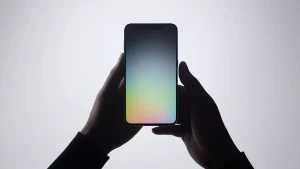
Companies like Apple have long influenced expectations around premium design, pushing other brands to raise standards even for mid-tier products. This influence can be seen in how materials, finishes, and packaging are now treated as core elements of brand identity rather than optional extras.
In apparel and lifestyle goods have introduced premium collections and limited releases that bring high-end design elements into broader retail channels. These strategies help brands balance exclusivity with scale, allowing premium cues to reach much larger audiences.
As consumers become more familiar with premium design, expectations naturally rise across all price levels. What once felt special or exclusive now feels like a baseline requirement for many shoppers.
Industry research from firms like Deloitte shows that buyers increasingly associate quality with experience and presentation, not just durability or technical features. This shift means that luxury cues can strongly influence decisions even for everyday purchases.
Where Luxury Is Showing Up
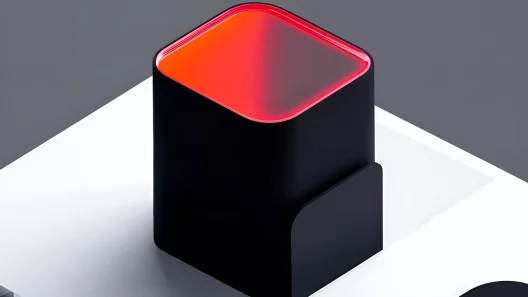
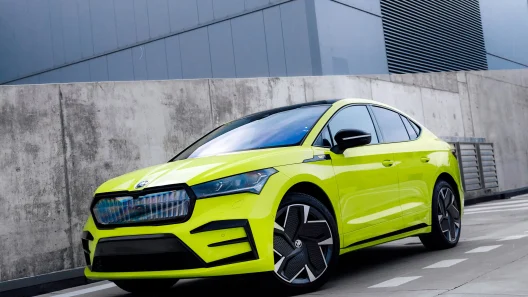
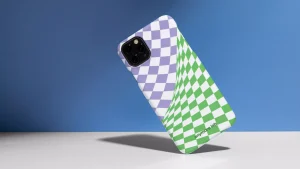
Materials and Finishes: Products now feature metal accents, higher-quality fabrics, and refined textures that were once limited to premium tiers, raising baseline expectations for build and visual appeal.
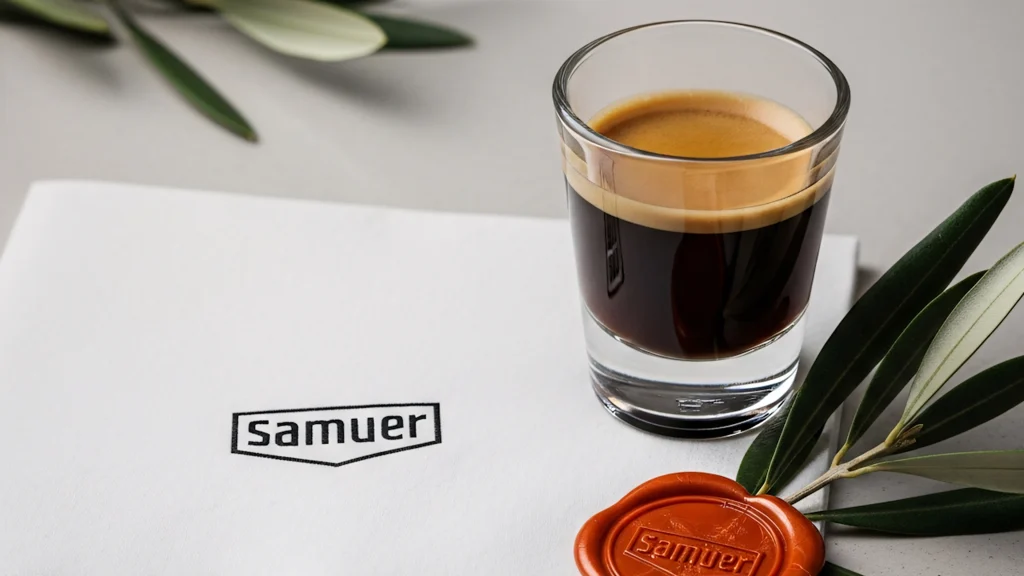
Packaging and Brand Presentation: Improved packaging, cleaner branding, and better in-store and online displays contribute to a more upscale perception and help justify higher prices.
Image by Jamie Blaire
The Role of Retail and E-Commerce Platforms
Retailers and online platforms such as Amazon are also playing a role by highlighting premium versions of mainstream products, making it easier for shoppers to trade up within familiar categories and compare higher-end options side by side.
What This Means for Pricing and Competition
As luxury features spread, brands gain flexibility to introduce higher-priced versions within standard product lines. This allows companies to segment customers based on perceived value, design, and experience rather than just basic function.
Market analysis from firms such as McKinsey suggests that consumers are increasingly willing to pay more for products that feel premium, even when core functionality is similar. This supports pricing strategies built around emotional appeal, brand perception, and visual differentiation.
Premium details are becoming expectations, not indulgences.
Isabelle Fournier,
Market Consultant
This trend is intensifying competition, as more brands aim to position products as “premium accessible” rather than strictly budget or traditional luxury. The result is a more crowded middle market where differentiation becomes more difficult.
Over time, this may compress traditional price tiers, making it harder for consumers to clearly distinguish between mainstream and high-end categories. Buyers may rely more on branding and presentation than on price alone to judge quality.
How Perception of Premium Is Shifting
At first, premium signaled distance from everyday buying, tied closely to price, scarcity, and formal status. Over time, repeated exposure to better materials and cleaner presentation in ordinary categories has softened that boundary, making elevated design feel familiar rather than exceptional.
This shift has quietly changed how people read value in the middle of the market, where small details now carry more weight than headline features when products appear similar on paper.
How Expectations Reset Over Time
Early encounters with refined finishes often stand out as moments of surprise in everyday shopping, creating a clear contrast with what people had previously accepted as normal in familiar product categories.
As exposure becomes routine, those same details fade into the baseline of what feels acceptable, raising the floor of expectation and narrowing the gap between what is seen as ordinary and what is considered premium.
With repetition across categories, buyers begin to judge quality less by labels and more by the consistency of small cues that shape how a product looks, feels, and presents itself in everyday use.
Challenges for Brands Expanding Premium Features
Protecting Brand Identity: Bringing luxury into mainstream lines can risk diluting premium brand positioning if not managed carefully across product tiers and messaging.
Managing Costs and Margins: Higher-end materials and presentation increase production costs, which can pressure margins if higher prices are not fully accepted by the market.
As luxury continues to move into mainstream categories, everyday shoppers are likely to encounter more products that look and feel high-end by default, reshaping expectations around quality, pricing, and what consumers now consider standard rather than exceptional across a wide range of everyday purchases.



















Health content can be overwhelming, but you make it feel so digestible.
So glad it resonated with you—means a lot to hear that kind of feedback!
I shared this with two friends—it’s too good not to pass along.