Music transforms workouts by shaping focus, pacing, and motivation. It helps athletes sync movement to rhythm, manage fatigue, and create a mental zone amid distractions, enhancing consistency and effort across all training phases.
Music transforms workouts by shaping focus, effort, and motivation through rhythm and tempo alignment. It not only reduces perceived fatigue and improves pacing but also helps athletes maintain mental flow, making training feel smoother and more engaging across various session types.
AI-generated
Key Moments
1
Music Enhances Workout Focus and Motivation
Music transforms workouts by guiding effort, holding pace, and creating mental zones that improve focus and reduce distractions.
2
Music Reduces Perceived Effort and Improves Endurance
Scientific research shows music lowers perceived exertion and helps athletes sustain higher intensity and longer workouts.
3
Customizing Playlists to Match Training Needs
Athletes optimize performance by tailoring playlists' tempo and genres to specific workout phases and training types.
4
Rhythm Becomes a Key Training Cue Over Time
Repeated exposure to music rhythm helps athletes regulate pacing, effort transitions, and maintain motivation without relying on timers.
AI-generated
Music now shapes how people train, shifting from background noise into a tool that guides effort and attention during workouts.
Across gyms and outdoor routes, sound has become part of how routines are built. Many people rely on rhythm to hold pace. Others use playlists to frame warmups, peaks, and cooldowns, giving structure to sessions that might otherwise drift.
Music is no longer just background noise — it has become a powerful tool for improving focus, pacing, and motivation across many types of training.
AI-generated
Rather than just filling silence, music helps manage focus and perception of strain. For some, it softens awareness of fatigue and makes longer efforts feel more approachable.
As training spaces grow louder and more crowded, people create small zones of focus through sound, using it to filter distraction and stay mentally present. This sense of separation helps maintain consistency when environments are unpredictable or busy, keeping attention on movement and breath.
With sound woven into daily habits, training now often unfolds to a personal rhythm instead of silence.
How Music Affects Performance and Perception
Research on music and exercise performance shows that music can reduce perceived effort and improve endurance during steady-state and interval training. This means athletes often feel workouts are easier, even when intensity stays the same.
Studies on workout tempo and rhythm explain how matching beats per minute to movement patterns can improve pacing and overall training efficiency.
Focus, Flow, and Mental State
Music helps many athletes enter a focused mental state where movement feels more automatic. This “flow” effect can improve consistency and reduce mental resistance to starting workouts.
Noise-canceling and immersive audio features also help reduce external distractions. Research on attention and performance highlights how reduced cognitive load can improve task focus and execution.
Music Training Benefits
Improved pacing: Rhythm helps athletes maintain consistent movement patterns and effort levels throughout workouts. By syncing motion to music tempo, athletes can reduce erratic pacing, conserve energy, and sustain smoother performance across longer or more demanding training sessions.
Reduced perceived fatigue: Music can shift attention away from physical discomfort, making higher training intensities feel more manageable. This psychological effect often allows athletes to extend workout duration or maintain effort levels with less mental strain, improving overall training adherence.
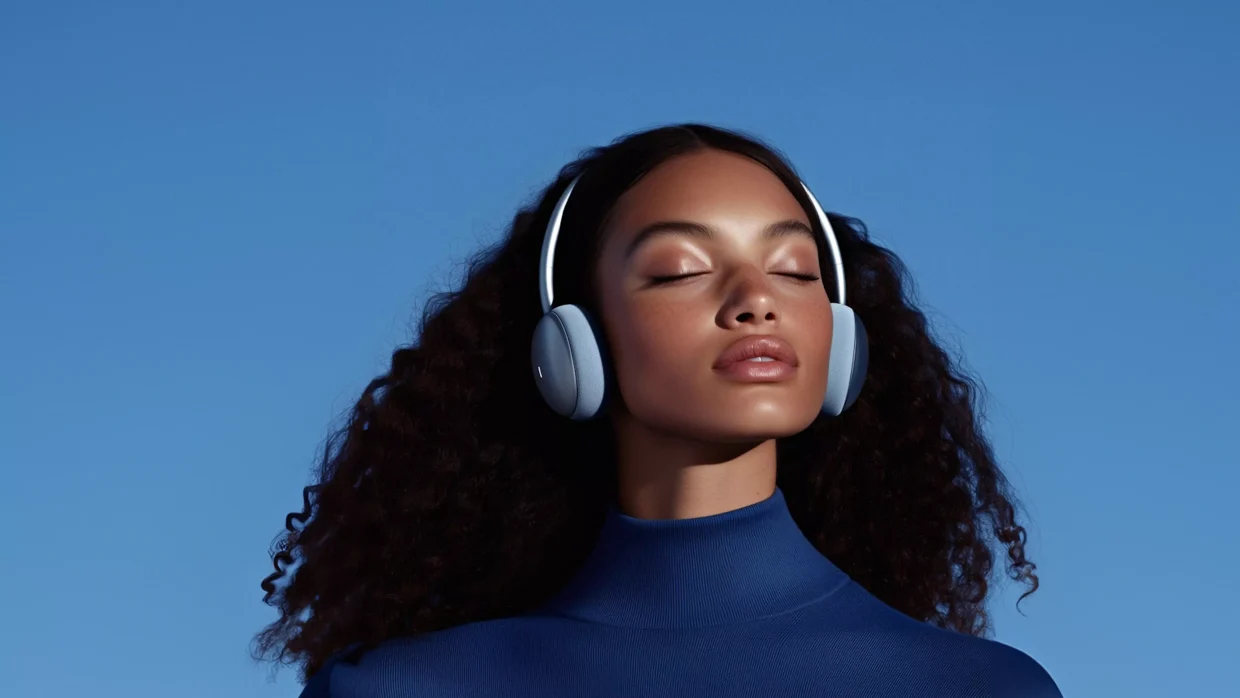
Image by Jamie Blaire
Choosing Music for Different Training Types
Different workouts benefit from different music styles. Faster tempos often support high-intensity sessions, while slower tracks suit mobility and recovery work.
How Athletes Customize Their Playlists
Many athletes build playlists based on beats per minute to match specific training zones. This helps align movement speed with music rhythm and reinforces pacing consistency.
Others rotate genres to prevent mental fatigue and keep training fresh. Variety can improve long-term motivation and reduce boredom over time.
Rhythm guides effort when discipline fades.
Natalie Green,
Exercise Researcher
Some people use music cues to mark intervals or effort changes. This reduces reliance on screens and makes workouts more intuitive.
Training guides on music-based interval training show how structured playlists can support intensity changes and pacing.
Why Sound Becomes a Training Cue
At first, music simply fills the space around a workout, blending into background noise that fades as effort rises and attention shifts toward breath, posture, and movement. Over time, repeated exposure to familiar rhythms begins to anchor focus, giving sound a quiet role in pacing decisions, emotional tone, and how transitions between work and rest are experienced.
As sessions accumulate, people start to anticipate certain moments in their routines based on musical cues rather than timers alone, using rhythm to sense when to push harder, when to settle into a steady pace, and when to ease off without constantly checking screens or devices.
How Rhythm Shapes Focus Over Time
Early sessions often feel scattered, with attention drifting between movement, surroundings, and the music itself, making it hard to maintain a steady internal rhythm when effort changes quickly.
As familiarity builds, rhythm begins to organize attention, helping athletes settle into a steadier mental state where movement feels less forced, transitions feel smoother, and effort becomes easier to regulate under pressure.
With repetition across weeks, sound becomes woven into how effort is managed, supporting smoother shifts between intensity levels, reducing mental resistance during harder segments, and helping people stay engaged even when motivation dips late into longer sessions.
Smart Music Habits
Tempo matching: Aligning beats per minute with movement speed helps reinforce efficient rhythm and timing. This creates a more synchronized training experience, improving coordination and helping athletes maintain consistent effort across different workout phases.
Workout-specific playlists: Separate playlists for cardio, strength, and recovery sessions help mentally prepare athletes for different training demands. This audio-based structure can improve focus, reduce decision fatigue, and make transitions between training styles feel more intentional and organized.
Music is no longer just background noise — it has become a powerful tool for improving focus, pacing, and motivation across many types of training.


























The way you cover trends feels more grounded than most blogs I read.
Another thoughtful post! It really stood out today in my feed.
Glad it stood out—those little moments are what I hope to create!