People are rediscovering bedside clocks to reduce phone distractions and create calmer routines. These smart clocks blend simplicity with smart features, fostering healthier sleep habits and smoother transitions between day and night.
Bedside clocks are making a comeback as people seek to minimize phone use before sleep and establish healthier bedtime routines. Smart clocks combine simplicity with smart home integration and sleep tracking, helping users reduce distractions, improve sleep habits, and create calmer, more intentional evenings and mornings.
AI-generated
Key Moments
1
Return to Dedicated Bedside Clocks
People are shifting from phone alarms back to standalone bedside clocks to reduce screen time and distractions before sleep.
2
Integration of Smart Features in Clocks
Modern smart clocks incorporate alarms, voice assistants, sleep tracking, and smart home controls to enhance nightly routines without adding complexity.
3
Benefits of Reducing Phone Dependency
Using smart clocks helps minimize late-night phone use, leading to calmer evenings, better sleep habits, and less morning urgency.
4
Challenges in Smart Clock Adoption
Privacy concerns and skepticism about added value versus smartphones affect users' acceptance of smart clocks.
AI-generated
The bedside clock is quietly returning to bedrooms, reshaping nightly routines and how people manage rest without relying so heavily on phones late at night.
Across many homes, single-purpose devices are finding their place again beside beds and nightstands. People want fewer late-night distractions and clearer boundaries around rest. This reflects changing attitudes toward sleep quality and attention.
Better rest often starts by removing one distraction, not adding another.
AI-generated
Rather than using phones for alarms and bedtime routines, many return to dedicated clocks placed within easy reach. The shift reduces the temptation to scroll, helping evenings feel calmer and more intentional over time.
As connected features appear on bedside devices, routines grow more structured without adding noise or complexity. Gentle light cues, soft reminders, and simple controls support calmer transitions into rest, helping mornings begin with less urgency and fewer interruptions from notifications or alerts.
Together, these changes bring back the bedside clock as a tool for building healthier sleep habits.
How Smart Clocks Are Replacing Phone Alarms
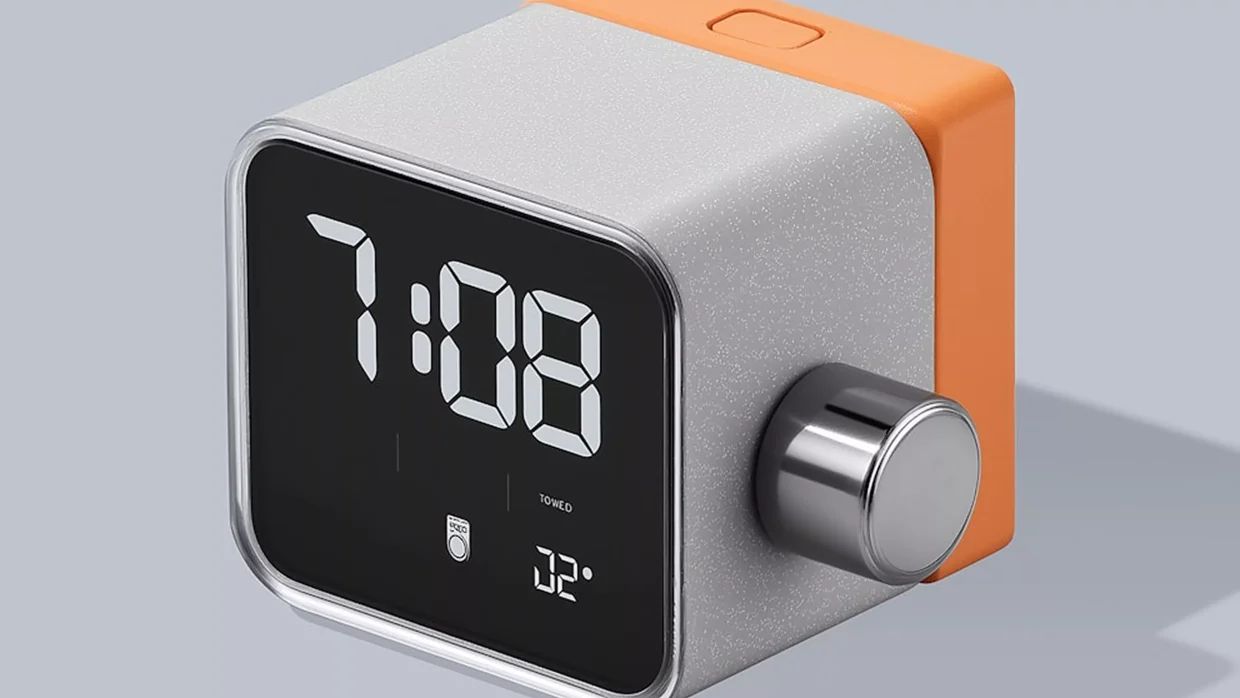
Nowadays, sevices are designed to sit on nightstands and provide alarms, sleep tools, and smart home controls without requiring users to pick up their phone. This encourages users to rely less on their smartphones before bed.
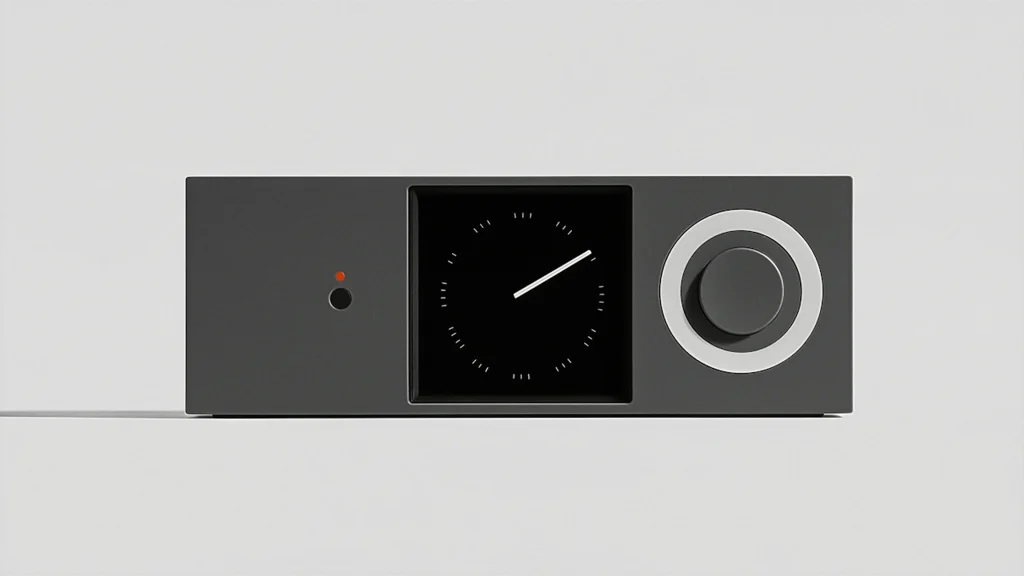
Other options combine alarm clocks with voice assistants and displays, making them multifunctional devices for bedtime and morning routines. These devices can also deliver weather, calendar, and music features.
Why People Are Moving Away From Phone Alarms
Many users find that using a phone as an alarm increases screen time before bed and leads to more distractions, making it harder to wind down.
Sleep-focused features supported by platforms like Apple Health encourage people to separate sleep routines from phone use and rely on dedicated devices instead. This supports healthier habits and more consistent sleep schedules.
Key Reasons Smart Clocks Are Gaining Popularity
Reduced Phone Dependency: Smart clocks allow users to keep their phones off the nightstand, helping limit late-night scrolling, notifications, and sleep interruptions.
Integrated Smart Home Control: Many smart clocks can control lights, thermostats, and routines, making it easier to manage the bedroom environment without reaching for a phone.
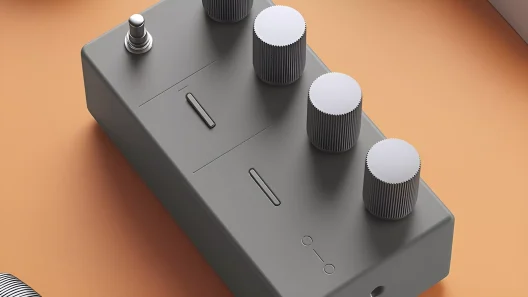
Image by Jamie Blaire
The Role of Sleep Tracking in Smart Clocks
Sleep tracking is becoming a standard feature, with devices offering basic insights and integration with services like Fitbit to help users understand sleep patterns and improve bedtime habits.
What Smart Clocks Mean for Daily Routines
Smart clocks are increasingly used as central tools for morning and evening routines, helping users manage alarms, reminders, and daily schedules in a more structured way.
Smart home ecosystems also influence adoption, with platforms like Google Home connecting clocks to lighting, music, and other devices for smoother routines. This integration helps automate common daily actions.
Better rest often starts by removing one distraction, not adding another.
Hannah Lewis,
Sleep Researcher
Over time, smart clocks may offer more personalized experiences, adjusting alarms, brightness, and sounds based on user habits and sleep patterns.
These features could help make mornings feel less rushed and evenings more structured, supporting better daily flow.
How Smart Clocks Change Bedtime Habits
At first, having a connected clock by the bed feels like a small convenience, replacing a phone alarm with a single-purpose device. Over time, however, repeated use begins to shape bedtime behavior, as people rely on the clock to mark transitions into rest rather than reaching for their phones.
This shift subtly changes evening routines, helping people detach from screens earlier and settle into more predictable patterns before sleep.
How Simplicity Supports Better Rest
Early nights with a smart clock often feel unfamiliar, with people checking the display out of habit.
As familiarity grows, the clock fades into the background, serving as a quiet anchor for routines without demanding constant attention.
With repetition over weeks, this quiet presence supports steadier sleep habits, helping evenings become calmer, mornings feel less rushed, and routines settle into something more intentional rather than reactive.
Challenges That Shape Smart Clock Adoption
Privacy in the Bedroom: Always-on microphones and sensors raise concerns about privacy in personal spaces, making transparency and user controls important.
Device Overlap: Some users question whether a smart clock adds enough value compared to existing smartphones and wearables they already own.
As smart clocks continue to evolve, they are likely to remain part of how people manage sleep and daily schedules, offering a dedicated alternative to using phones as all-in-one bedside devices.





















Following your blog has made me rethink some of my everyday choices.
So glad it resonated with you—means a lot to hear that kind of feedback!