Tech buyers now favor everyday comfort and intuitive design over sheer performance. Small usability improvements and peer feedback increasingly shape choices, signaling a shift toward thoughtful, experience-driven purchasing.
Tech buying is shifting from prioritizing raw performance to focusing on everyday usability, design, and comfort. Consumers now value devices that seamlessly fit into daily routines, with small usability improvements often outweighing major hardware upgrades. This trend is reshaping product development strategies and influencing longer, more considered upgrade cycles.
AI-generated
Key Moments
1
Shift from Performance to Experience
Tech buying decisions now prioritize everyday usability and comfort over peak technical performance.
2
Design and Usability as Purchase Drivers
Industrial design, ergonomics, and intuitive interfaces significantly influence consumer choices beyond raw specs.
3
Importance of Reviews and Peer Feedback
Online reviews and peer opinions help buyers understand subtle usability differences and shape trust in product decisions.
4
Implications for Product Development
Manufacturers increasingly focus on incremental refinements and overall experience to build brand loyalty and encourage slower upgrade cycles.
AI-generated
Buying decisions in tech now hinge less on raw power and more on how devices settle into ordinary daily use across work, home, and personal routines.
Across shopping moments, attention shifts from spec lists to lived experience and everyday comfort. People weigh design, balance, and ease of use more carefully than before. What fits into work and home life now guides choice more than peak performance claims.
Buying decisions now hinge on everyday comfort, not peak performance.
AI-generated
Many categories have matured to the point where performance gaps feel narrow between competing options. Devices handle daily needs without strain or noticeable slowdown. This makes experiential differences stand out more clearly over time.
As a result, minor gains in usability can outweigh large jumps in hardware for everyday buyers who prioritize how things feel in hand. Layout, ergonomics, and interface clarity quietly shape satisfaction across repeated interactions, influencing whether a device feels supportive or intrusive during long stretches of use.
Together, these patterns show a subtle change in how new tech is judged, with long-term experience guiding choices more than short-lived technical advantages.
How Design and Experience Are Driving Purchase Decisions
Companies continue to emphasize industrial design and user experience as central parts of their product strategy, often highlighting materials, finishes, and interaction over raw performance. This focus helps position devices as lifestyle products rather than just tools.
Retail research also shows that shoppers increasingly compare how devices feel in hand and how intuitive they are to use before making final decisions. In-store experiences and demos play a larger role in shaping opinions.
Why Small Changes Matter More Than Big Upgrades
In many categories, yearly performance gains are no longer dramatic, making usability improvements stand out more clearly to buyers. Small refinements often feel more relevant than large technical leaps.
User testing and experience research help companies identify small interface and interaction changes that can significantly improve satisfaction. These changes often affect how people use devices every day.
Key Factors Influencing Buying Decisions
Ease of Use: Devices that feel intuitive and simple often win over more complex products, even if technical specs are similar, because they reduce friction in daily use.
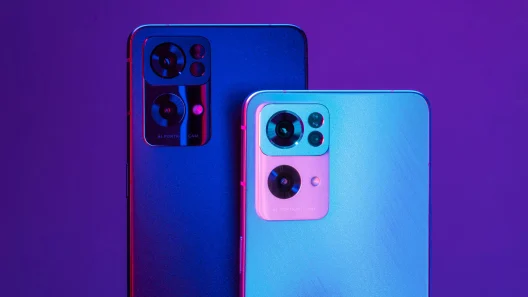
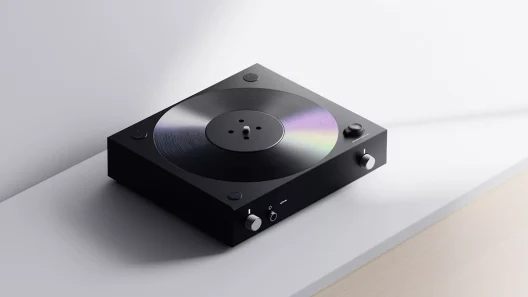
Design and Comfort: How a device looks, feels, and fits into daily life can influence long-term satisfaction more than small performance gains, especially for frequently used products.
Image by Jamie Blaire
The Role of Reviews and Peer Feedback
Online reviews and expert opinions play a growing role, shaping how consumers interpret small design and usability differences between competing products. Reviews help translate subtle changes into understandable benefits.
What This Means for Future Product Cycles
As buyers become more experience-focused, product teams may prioritize refinements over major redesigns. Incremental improvements may become the dominant strategy.
Market analysis suggests that customer experience and perceived value are becoming more important drivers of brand loyalty and repeat purchases. This trend influences how companies plan product roadmaps.
Buying decisions now hinge on everyday comfort, not peak performance.
Samuel Wright,
Behavior Analyst
This shift may lead to slower, more thoughtful upgrade cycles as consumers wait for meaningful improvements in everyday use rather than rushing to upgrade each year.
Manufacturers may also invest more in software, interface design, and accessory ecosystems to improve overall experience and create stronger brand loyalty.
The Role of Reviews and Peer Feedback
Online reviews and expert opinions play a growing role, shaping how consumers interpret small design and usability differences between competing products. Reviews help translate subtle changes into understandable benefits.
Many buyers now treat peer feedback as part of their decision process rather than a final confirmation step. Seeing repeated patterns in how people describe comfort, ease of use, or daily friction builds trust in small details that are hard to measure through specifications alone. Over time, this shared language around experience reshapes how people compare similar products.
What This Means for Future Product Cycles
As buyers become more experience-focused, product teams may prioritize refinements over major redesigns. Incremental improvements may become the dominant strategy, especially in categories where performance differences are no longer dramatic.
Market analysis suggests that customer experience and perceived value are becoming more important drivers of brand loyalty and repeat purchases. This trend influences how companies plan product roadmaps, allocate design resources, and decide which improvements to prioritize from one product generation to the next.
This shift may lead to slower, more thoughtful upgrade cycles as consumers wait for meaningful improvements in everyday use rather than rushing to upgrade each year.
Challenges for Tech Brands
Standing Out in Crowded Markets: With similar specs across products, brands must find new ways to differentiate through experience and design rather than performance alone.
Communicating Subtle Improvements: Small usability gains can be harder to market than big spec upgrades, even when they matter more to users in daily life.
As this quiet shift continues, how technology feels and fits into daily life is likely to matter more than ever, reshaping how people buy tech and how companies design products for long-term satisfaction rather than short-term performance headlines.





















Even when the topic is heavy, you keep the tone thoughtful and kind.
Exactly what I aim for—thanks for reading and sticking around here!
I always feel a little better after reading your thoughtful posts—thank you.