3D-Printed Sneakers Move Into Retail and Daily Use
3D-printed sneakers are transitioning from rare tech experiments to practical, everyday footwear. Advances in comfort, durability, and retail availability show how personalization and consistent quality are reshaping shoe manufacturing.
3D-printed sneakers are transitioning from exclusive, limited-edition products to everyday footwear available on retail shelves, offering enhanced comfort, durability, and customization. Advances in 3D printing technology now enable precise cushioning and adaptable midsoles tailored to individual needs, making these sneakers both innovative and practical for daily use.
AI-generated
Key Moments
1
Transition to Everyday Wear
3D-printed sneakers are moving from experimental releases to regular retail products suitable for daily use.
2
Manufacturing Advantages
3D printing enables complex midsole designs that improve cushioning, energy return, and responsiveness beyond traditional manufacturing.
3
Customization and Fit Improvements
3D printing offers potential for personalized footwear tailored to individual gait, weight, and movement patterns.
4
Mainstream Adoption Factors
Increased retail availability, improved durability, and enhanced comfort are driving 3D-printed sneakers into mainstream consumer markets.
AI-generated
Here’s a rewritten intro that follows your exact structure and size pattern, with clearly distinct paragraph lengths and a natural editorial tone:
3D-printed sneakers are edging into everyday wear, shifting from rare experiments toward footwear people actually consider for regular use.
3D-printed sneakers are no longer just a glimpse of the future. They are becoming part of everyday footwear, blending advanced manufacturing with real-world comfort and retail accessibility.
AI-generated
Early curiosity around printed materials has turned into cautious interest among everyday shoppers. People are more familiar with digital production methods across daily products now. That familiarity makes new footwear formats feel less distant.
Retail shelves are slowly opening to printed components as part of standard releases. Instead of appearing once and vanishing, these elements stay in rotation across seasons. This helps the technology feel normal rather than exclusive.
Comfort expectations have also pushed this change as people look for better cushioning and more responsive support. Printed structures allow fine tuning of feel and movement over time. That control makes performance gains easier to notice during daily wear.
For many buyers, printed sneakers now signal usable innovation rather than design made only to be looked at.
How 3D Printing Is Changing Sneaker Manufacturing
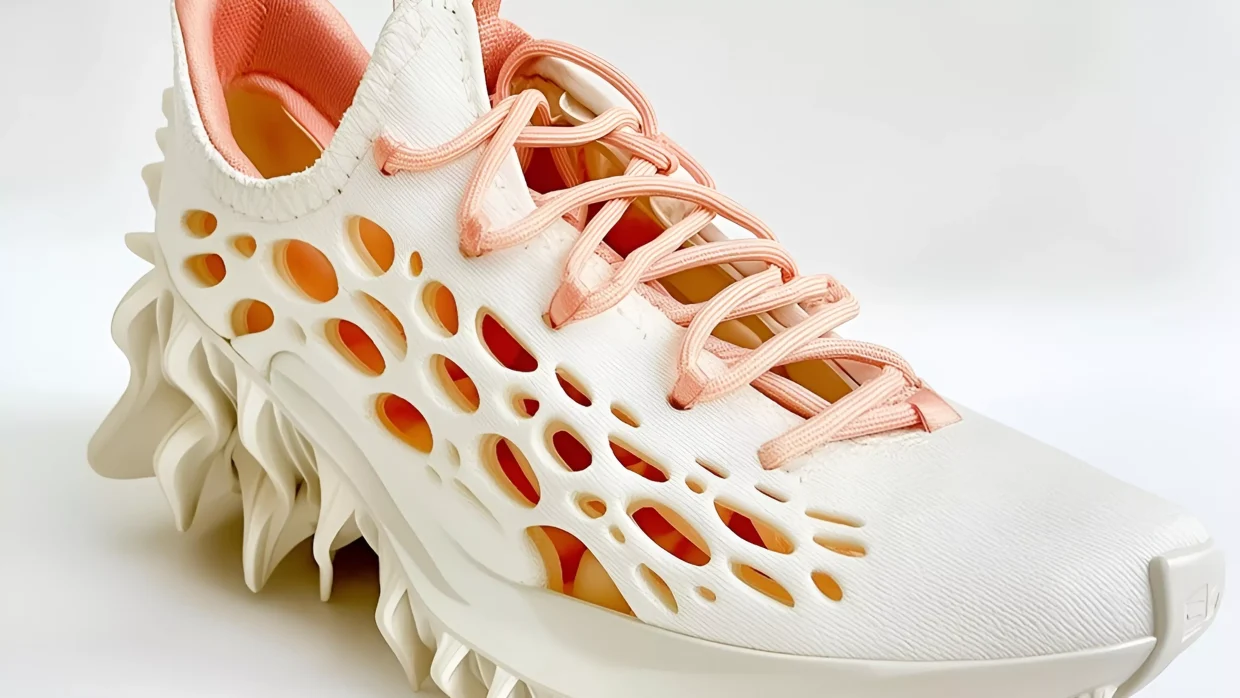
3D printing allows brands to design complex midsole structures that are difficult or impossible to create with traditional manufacturing methods. Adidas has been a major player in this space, with its Adidas 4D platform showcasing lattice-based midsoles designed for tuned cushioning, energy return, and responsiveness across different movement patterns.
Other companies are also adopting similar approaches. Carbon’s 3D printing technology is used by multiple footwear brands to produce high-performance lattice soles at scale, helping move 3D-printed components from lab samples into real production. This shift toward scalable manufacturing is critical for making printed footwear commercially viable.
From Limited Drops to Everyday Models
Early 3D-printed sneakers were often released in limited quantities. These drops built hype but kept the technology out of reach for most buyers, positioning printed footwear as experimental or premium showcase products.
3D printed sneakers are moving into wider distribution, showing how brands are slowly turning experimental designs into standard retail products that everyday consumers can actually buy and wear.
Precision cushioning: Lattice structures allow brands to fine-tune support and impact absorption for different movement patterns and use cases.
Design flexibility: Complex shapes enable performance features and structural zones that traditional foam cannot easily replicate.
Image by Jamie Blaire
Customization and Fit Potential
One of the biggest advantages of 3D printing is customization. In the future, midsoles and support zones could be tailored to individual gait, weight, or running style, moving footwear closer to personalized performance equipment rather than mass-produced products.
Industry discussions around custom footwear highlight how 3D printing may enable more personalized products, reducing one-size-fits-all limitations in performance shoes and allowing brands to offer more targeted support and comfort.
Why 3D-Printed Sneakers Fit Daily Wear
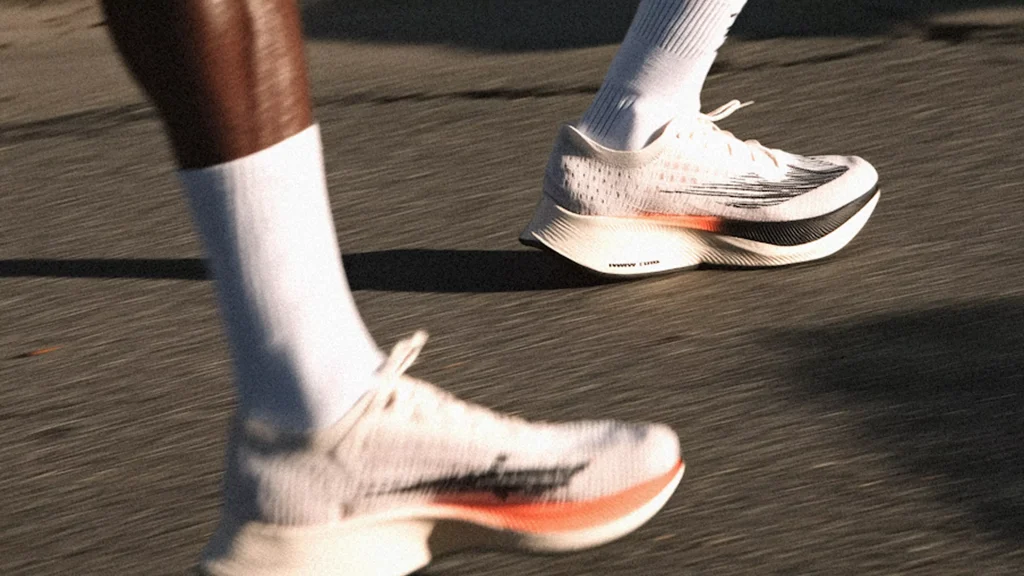
As durability and comfort improve, 3D-printed components are becoming suitable for everyday use, not just performance testing or showcase models. Materials are evolving to handle repeated impact and long-term wear, making printed soles more practical for daily routines.
Retail and tech coverage from Wired on 3D printing in consumer products shows how advanced manufacturing is moving into daily life, supporting the idea that printed footwear is becoming more reliable, accessible, and consumer-friendly.
Manufacturing changes feel personal when comfort improves.
Victor Sánchez,
Manufacturing Analyst
3D-printed midsoles also offer more consistent quality. Digital manufacturing reduces variation between pairs, helping brands maintain predictable performance across large production runs.
For consumers, this means innovative design without sacrificing everyday comfort and reliability, making printed sneakers easier to trust as regular footwear.
How Personal Fit Is Starting to Matter More
Small differences in support and cushioning can change how a shoe feels over a full day of walking, standing, and casual movement.
As people move through varied daily routines, expectations shift toward footwear that adapts to individual pressure points, foot shapes, and movement patterns, rather than relying on a single average fit that works equally well for everyone.
When Manufacturing Meets Daily Comfort
Some users begin to notice that consistent fit reduces fatigue over time, especially during long days that involve repeated movement between different environments.
Others only grow comfortable with new production methods after repeated everyday use shows that durability holds up alongside comfort, not just in short trials or controlled settings.
As these experiences repeat, printed structures stop feeling experimental and gradually blend into what people expect from regular footwear.
Key Reasons 3D Sneakers Are Going Mainstream
Retail availability: More models are reaching standard store shelves and online shops.
Improved comfort and durability: New materials make printed soles suitable for daily wear and repeated use.
3D-printed sneakers are no longer just a glimpse of the future. They are becoming part of everyday footwear, blending advanced manufacturing with real-world comfort and retail accessibility.