Modern chips quietly boost daily device performance by enhancing speed, efficiency, and reliability without noticeable changes. Users experience smoother multitasking and longer battery life, setting new standards for everyday technology use.
Die neuesten Chips steigern die Leistung von Alltagsgeräten subtil, indem sie Apps schneller starten lassen, Multitasking flüssiger machen und zugleich die Akkulaufzeit verbessern. Diese Fortschritte sorgen dafür, dass Geräte zuverlässiger und reaktionsfähiger werden, wodurch Nutzer eine geschmeidigere und stabilere Nutzungserfahrung genießen können.
AI-generated
Key Moments
1
Efficient Chip Performance Enhancements
New processor chips improve device speed and efficiency by handling more work with less power, leading to faster app launches and smoother multitasking without changing device design.
2
Manufacturing Advances Driving Miniaturization
Technological progress allows more transistors to fit into smaller chips, reducing power consumption and heat, enabling thinner and lighter devices with higher performance.
3
Integrated Graphics and AI Acceleration
Modern chips include dedicated cores for graphics and AI, allowing devices to efficiently handle demanding workloads like gaming, editing, and advanced features.
4
Rising User Expectations and Future Challenges
Performance gains subtly reshape user expectations as smoother operation becomes standard, while future chip development must address heat management and complex supply chains.
AI-generated
Smaller processor upgrades are quietly reshaping how everyday devices respond, improving speed and efficiency without changing how those devices look or feel.
Behind the scenes, new components handle more work with less power, reducing strain on everyday systems. Instead of bulky upgrades, progress now arrives in subtle performance gains. As a result, devices feel quicker without drawing attention to the changes inside them.
Progress is often felt before it’s seen — especially in how technology responds.
AI-generated
Apps tend to open with less delay, switching tasks feels smoother, and background activity is less disruptive to daily use. These changes reduce friction during busy days and make long sessions feel more stable overall.
For many people, the effect shows up as reliability rather than raw speed. Devices respond more predictably under pressure, even as daily tasks stack up, and this steadier behavior changes how much patience users expect to need when moving between work, media, and communication.
Together, these shifts quietly raise the baseline for everyday performance, turning smoother response and consistent behavior into the standard experience people now take for granted.
How Chip Makers Are Driving Performance Gains
Companies continue to release mobile chips that focus on better performance per watt, helping smartphones run faster while using less power. This balance allows manufacturers to improve speed without sacrificing battery life.
At the same time, custom-designed processors can tightly integrate hardware and software to deliver noticeable gains in speed, graphics, and energy efficiency. This approach has influenced how other companies think about chip and system design.
Why Smaller Chips Are Delivering Bigger Results
Advances in manufacturing allow more transistors to fit into smaller spaces, improving speed while reducing power consumption and heat. These technical gains make it possible to deliver higher performance in thinner and lighter devices.
Many of these gains are supported by chip manufacturing partners, which leads in advanced process technologies used by major chip designers. Its manufacturing advances play a major role in making next-generation chips possible.
Faster App Launch and Multitasking: New chips help apps open more quickly and allow smoother switching between multiple programs without slowdowns, even when many apps are running at once.
Better Battery Efficiency: Improved power management allows devices to last longer on a single charge while maintaining strong performance throughout the day.
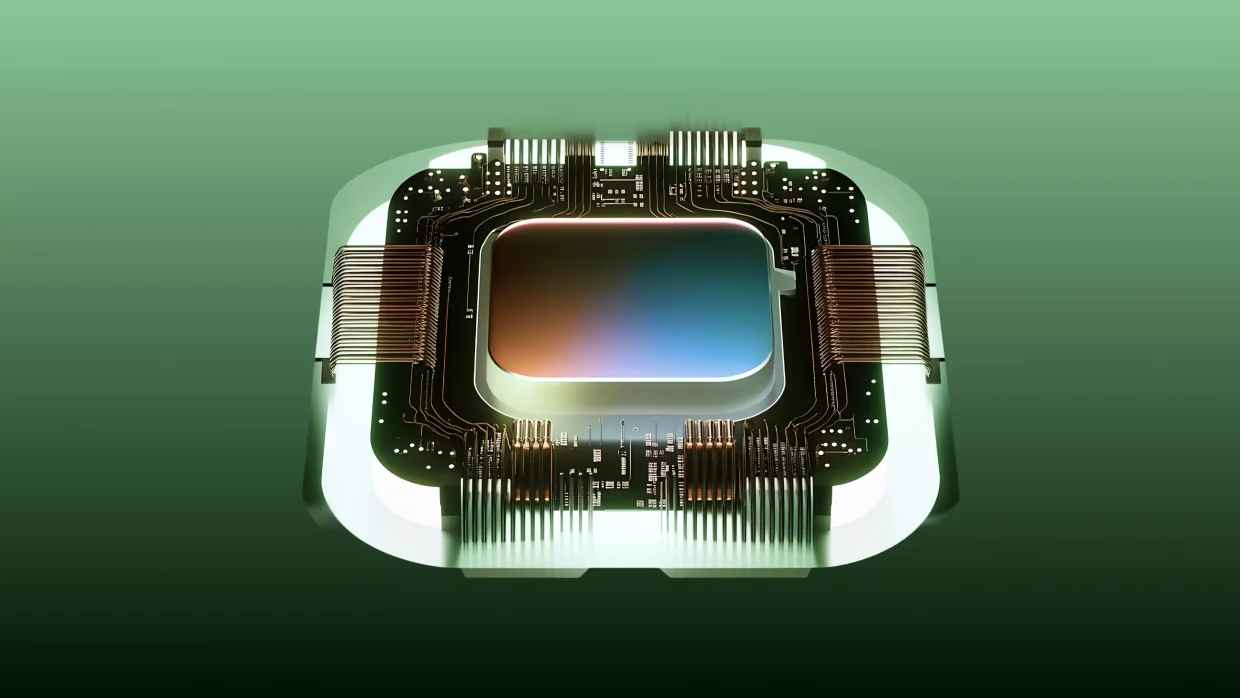
Image by Jamie Blaire
The Role of Graphics and AI Acceleration
Modern chips now include dedicated graphics and acceleration cores, influencing how graphics processing and AI features are built into consumer devices. These specialized cores help handle demanding workloads more efficiently.
What Faster Chips Mean for Everyday Devices
As processors improve, everyday devices are able to handle more demanding apps, higher-resolution displays, and more advanced features without feeling sluggish. This allows users to do more on the same hardware.
As processors improve, everyday devices are able to handle more demanding apps, higher-resolution displays, and more advanced features without feeling sluggish. This allows users to do more on the same hardware.
Progress is often felt before it’s seen — especially in how technology responds.
Ethan Brooks,
Chip Analyst
Performance benchmarks from tools like Geekbench show how newer chips consistently outperform previous generations in both single-core and multi-core tasks. These scores reflect real-world gains users often feel in daily use.
These gains also support smoother gaming, faster photo and video editing, and better performance for productivity apps used for work and school. Creative and professional tasks benefit directly from improved chip performance.
Over time, faster chips may reduce the need for frequent device upgrades, as newer processors keep devices usable and responsive for longer periods. This can extend the useful life of devices and improve overall value for consumers.
When Performance Gains Become Everyday Expectations
At first, many of these performance gains appear as small improvements that users notice only when something feels smoother or less delayed than before.
As processing power increases behind the scenes, everyday interactions begin to change in subtle but meaningful ways. Apps open with fewer pauses, visual elements respond more fluidly, and tasks that once felt heavy become part of normal use, gradually reshaping what people consider acceptable performance in daily routines.
How Speed Shapes User Perception
For most people, faster performance is felt through small moments rather than headline features, such as how quickly screens respond to touch or how smoothly visuals move during everyday use.
As these experiences become common, expectations rise without much notice. What once felt impressive becomes the new normal, and slower responses stand out more sharply, even when overall capability remains high.
Challenges That Will Shape Future Chip Development
Heat and Thermal Management: Higher performance must be balanced with cooling solutions to prevent overheating in thin and compact devices, especially in fanless designs.
Supply Chain and Manufacturing Limits: Advanced chip production depends on complex global supply chains, which can impact availability, pricing, and production timelines.
As chip technology continues to evolve, users may not always notice the hardware itself, but they will feel the benefits in faster apps, smoother performance, and more capable everyday devices that better support modern digital demands.


























I could feel your voice in every single line. That personal touch matters.
Solid read—compact but full of genuinely useful thoughts and takeaways.
That’s the best compliment—thank you for following along with me!