Why Open-Water Swims Are Being Used for Recovery Days
Open-water swims offer athletes a unique recovery strategy by combining gentle movement with cold water benefits, reducing joint stress and inflammation, while providing a refreshing mental reset in natural environments.
Open-water swims are becoming a favored recovery method because they combine gentle, low-impact movement with the anti-inflammatory benefits of cold water, promoting both physical healing and mental refresh. Athletes across various sports appreciate how natural environments provide a unique mental reset, making recovery days feel more restorative and purposeful.
AI-generated
Key Moments
1
Benefits of Open-Water Swimming for Recovery
Open-water swimming combines gentle movement with low joint stress, promoting circulation and reducing muscle fatigue on recovery days.
2
Role of Cold Water in Muscle Recovery
Exposure to cold or cool water helps manage inflammation and muscle soreness, enhancing recovery effects through temperature-based benefits.
3
Mental Reset Through Natural Water Environments
Swimming in open, natural water offers a psychological reset by reducing stress and cognitive fatigue, aiding mental as well as physical recovery.
4
Safe and Structured Recovery Swim Practices
Recovery swims should be short, gentle, and managed with proper safety measures and temperature control to avoid additional stress and maximize benefits.
AI-generated
Open-water swimming is no longer limited to triathletes and endurance specialists who train in extreme conditions.
Unlike traditional recovery days that rely on full rest, open-water swims offer gentle movement that keeps blood flowing while minimizing joint stress. This makes them especially appealing for athletes who want to stay active without adding mechanical load to already fatigued muscles.
Open-water swims offer gentle movement that keeps blood flowing while minimizing joint stress, combining physical healing with a powerful mental reset.
AI-generated
The water environment naturally reduces impact, making it easier to move freely while still engaging the full body.
Cold or cool water adds another recovery layer, helping manage inflammation and muscle soreness after intense training blocks. Many athletes now see water sessions as a way to combine movement with temperature-based recovery, creating a more complete recovery experience. The mental side also plays a major role. Being in open water can create a strong psychological reset, breaking routine and reducing training fatigue that builds up during long seasons.
As access to safe swimming locations improves and awareness grows, open-water recovery sessions are becoming a regular feature in training schedules across multiple sports. What once felt like a niche practice is now being adopted by runners, cyclists, team-sport athletes, and fitness-focused individuals.
How Cold Water Supports Muscle Recovery
Exposure to cool water has long been linked to reduced muscle soreness and faster perceived recovery. Many athletes now use cold water immersion principles in a lighter, more active form through open-water swimming, allowing them to combine movement with cooling effects in a single session. This approach makes recovery feel more productive and less passive.
Moving gently in cool water combines circulation benefits with temperature-based recovery effects. Research and athlete guides on post-workout recovery methods often highlight water-based recovery as a low-impact option that still promotes muscle repair, helping athletes return to training feeling fresher and less stiff.
Swimming in natural environments adds sensory variety that indoor recovery sessions often lack. Fresh air, natural light, and open space can help recovery feel less clinical and more refreshing, which can improve how athletes perceive the value of recovery days.
Many athletes report improved mental clarity after sessions in natural water. Studies on nature and mental recovery show that outdoor environments can help reduce stress and improve mood, supporting both physical and psychological recovery.
Open-Water Recovery Benefits
Low-impact circulation: Gentle swimming supports steady blood flow throughout the body without placing mechanical load on joints or heavily fatigued muscles. This helps deliver oxygen and nutrients to recovering tissue while minimizing stress on areas that may already be sore or inflamed from prior training sessions.
Mental reset: Natural water environments help athletes mentally disconnect from structured training demands and performance pressure. The sensory experience of open water — including fresh air, natural sounds, and open space — can reduce cognitive fatigue and create a stronger sense of mental recovery alongside physical healing.
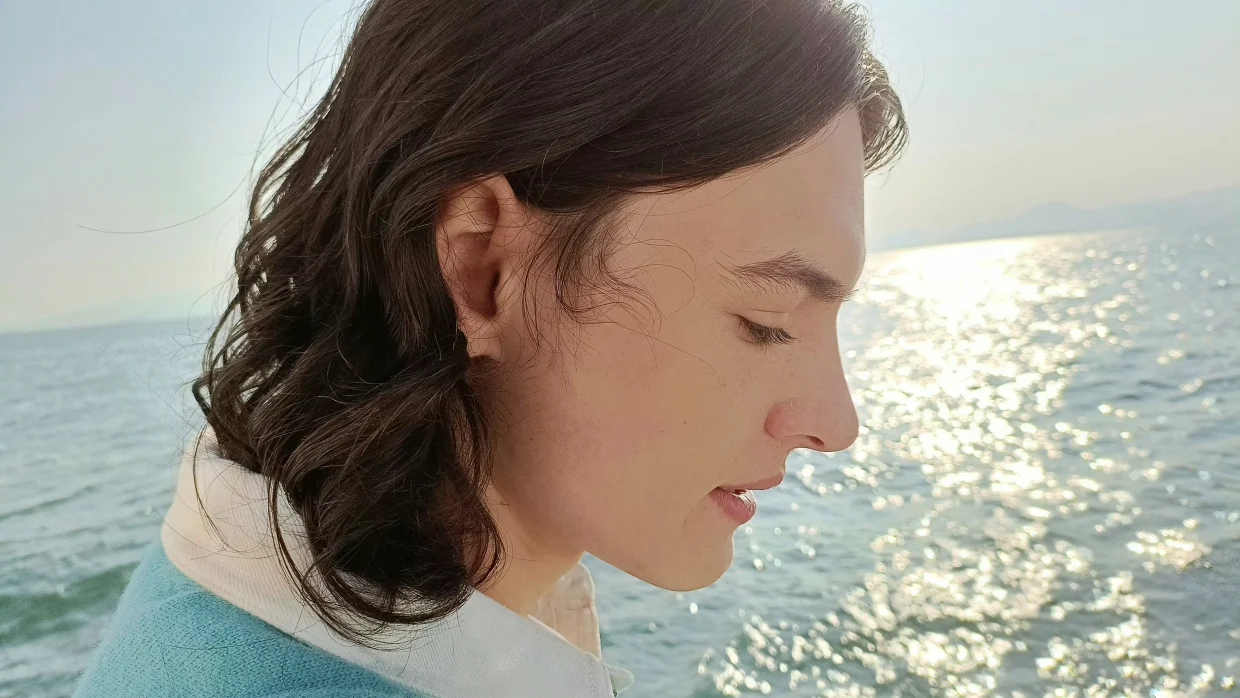
Image by Jamie Blaire
Safety and Structure Matter for Recovery Swims
Even on recovery days, open-water swimming requires planning and awareness. Safety guidelines around open-water swimming safety stress visibility, temperature awareness, and proper supervision, ensuring that recovery swims remain supportive rather than risky.
How Athletes Program Recovery Swims
Many athletes keep recovery swims short and easy, focusing on relaxed strokes rather than pace or distance. This helps ensure recovery days remain low-stress while still providing movement.
Wetsuits and thermal caps are often used in cooler conditions to prevent excessive heat loss. Proper gear helps keep recovery sessions comfortable and allows athletes to stay in the water long enough to gain benefits without overcooling.
Mental reset often matters as much as physical recovery.
Paul Richardson,
Endurance Specialist
Some athletes pair swims with mobility or stretching work afterward to extend recovery benefits. This creates a full recovery-focused session instead of treating the swim as a standalone activity.
Coaches often recommend keeping heart rate low during recovery swims. Guidance on active recovery training emphasizes staying well below threshold to support healing rather than adding hidden training stress.
How Environment Shapes Recovery
At first, water sessions feel like a simple change of pace from dry-land training, offering relief to joints and muscles without demanding intensity. Over time, however, repeated exposure to natural water settings begins to influence how recovery is experienced, making the process feel more intentional and mentally restorative.
This environmental shift changes how athletes approach recovery days, encouraging them to treat lighter sessions as purposeful practice rather than passive downtime.
How Open Water Reframes Rest
Early recovery swims often feel tentative, with attention split between comfort, temperature, and unfamiliar surroundings.
As familiarity grows, the open setting becomes part of the recovery signal, helping athletes let go of performance pressure and settle into gentler movement without the urge to turn recovery into another hard session.
With repetition, these calmer sessions begin to shape how rest is valued, reinforcing the idea that purposeful ease can support both physical healing and mental reset across demanding training cycles.
Smart Recovery Habits
Short, easy sessions: Keeping recovery swims relaxed and intentionally short prevents recovery days from quietly turning into additional training stress. By focusing on comfort and ease rather than distance or pace, athletes protect recovery quality while still gaining the circulation and movement benefits of water-based activity.
Temperature management: Using wetsuits, thermal caps, or limiting time in cold water helps athletes avoid excessive heat loss that can increase overall fatigue. Proper temperature control allows recovery swims to remain supportive rather than draining, preserving energy for upcoming training days.
For many athletes, open-water recovery swims are increasingly seen as a practical way to support both physical healing and mental refresh, making them a valuable tool in modern training plans.

























This was a great read over my morning coffee—starting the day right!
That’s incredibly kind—thank you for being part of this space and community.
Short but packed with helpful value. Love your writing style.